
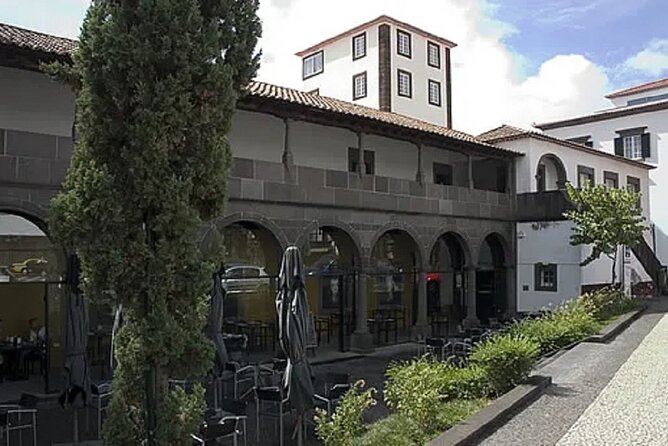
Reviewed · WALKING TOURS
A Self-Guided Walk Through Funchal’s Historic Heart With a Local
Funchal gets way easier when you hear the stories. This VoiceMap self-guided walk threads together major landmarks and quieter corners, with English narration that keeps you moving through Funchal’s historic heart.
I like that it starts with calm, green views at Quinta Vigia before it pushes you into the older streets. I also like the way it spotlights Madeira’s lesser-known Protestant chapter, from the oldest Protestant cemetery in Portugal to the first Protestant church tied to the Madeira wine trade.
One thing to consider: this is not a live, talk-to-a-person guide. If you want a lot of back-and-forth, or you were hoping for a full checklist like the Cathedral, you will probably need a little extra time to handle those on your own.
Key things that make this walk worth your time
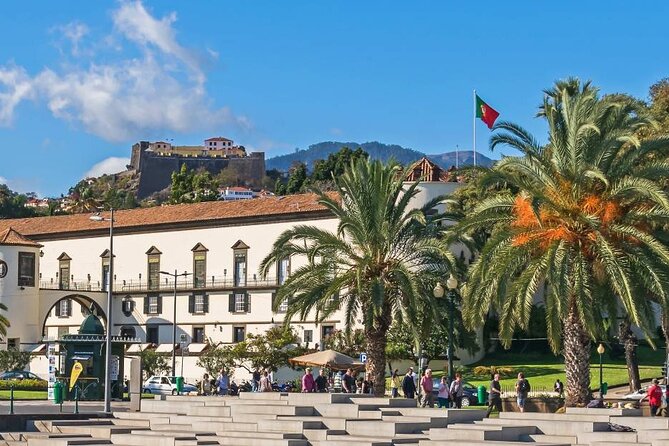
- Quinta Vigia as a calm start, with gardens and panoramic coastline views to set the mood
- Santa Catarina Park and Manueline details, including Santa Catarina Chapel’s architecture
- A thoughtful Protestant trail, from the oldest Protestant cemetery in Portugal to the first Protestant church
- São Pedro’s iconic cobblestones and church stop, including the wave-pattern pavement and St. John The Evangelist Church
- Zarco and Palácio de São Lourenço, linking Madeira’s settlement story with Funchal’s early fortress
- End at Mercado dos Lavradores near Cica Café, so you can turn the last stretch into food instead of hunting for it
More of Funchal, once you have done the market and the toboggan
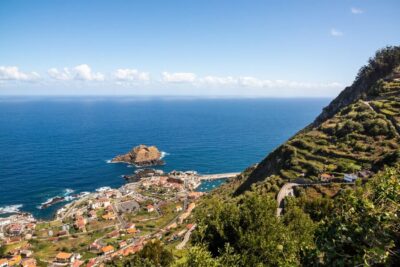

Quinta Vigia: your cool, green warm-up before the old streets
You start at Quinta Vigia at Av. do Infante 1 in São Martinho, right where the city starts feeling big, but not yet loud. This is the historic official residence of the Regional President of the Autonomous Region, and the setting works as a breather. You get greenery, a sense of space, and those panoramic coastline views that make Funchal click in your head.
Then the walk begins to point you where the “real” Funchal texture lives: the historic center. I like this pacing. Instead of dropping you immediately into tight streets and high foot traffic, you ease into it with a scenic foundation and a clear mental map.
Wear comfy shoes. Even at the start, you are in a city built for hills and steps, and later you will be on Portuguese cobblestones. This route is totally doable for most people, but it is not the kind of stroll where you forget you are walking.
Santa Catarina Park and Santa Catarina Chapel: Manueline you can actually spot
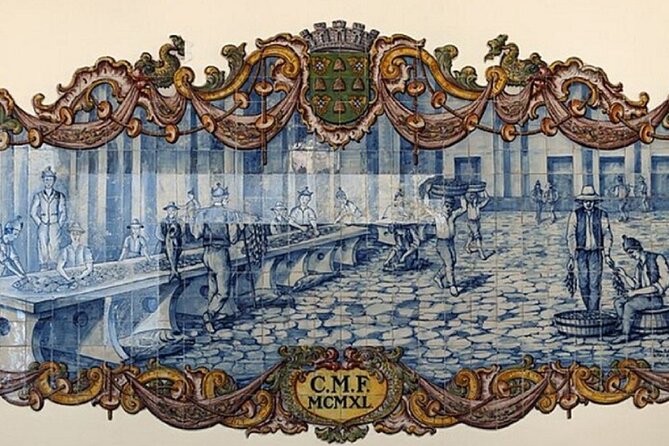
Next you head to Santa Catarina Park, a sweet pocket of calm. The park is known for exotic and endemic flowerbeds, and it is the kind of place where you naturally slow down. That matters because the narration gives you a reason to look up, not just straight at the ground.
Right around the park, you get to Santa Catarina Chapel and its Manueline architecture. Manueline is one of those words you may have heard before, but here it is described in a way that helps you recognize what you are seeing. The chapel is noted as the first chapel erected in Funchal, which adds weight to the stop. You can pause and read the shapes and details without feeling like you are speeding through a checklist.
If you enjoy architecture, this is one of the smarter stops in the whole route. If you are not an architecture person, it still works because the park gives you a break from street noise and restores your energy before the more historical segments.
The Protestant cemetery stop: a gentle reminder that Madeira has more stories than you expect
After the park, the route shifts to something quieter and more reflective: the oldest Protestant Cemetery in Portugal. This is one of the few places in Funchal where the mood turns thoughtful, and the story connects the island to the broader Anglo-Portuguese alliance.
What makes this stop valuable is the framing. You are not just seeing a cemetery as a list of names. You are learning why it exists in Madeira’s landscape at all, and how it represents the cultural mix that formed around the island over time. The route also highlights that the cemetery honors influential personalities who helped shape Madeira’s narrative.
In practical terms, bring your patience. Cemeteries reward slow walking and calm attention. You do not need a somber mood, but you do need to give it a minute or two. This part of the walk is the difference between a surface-level tour and a walk that sticks in your memory.
The first Protestant church in Portugal: Madeira wine money, religion, and trade
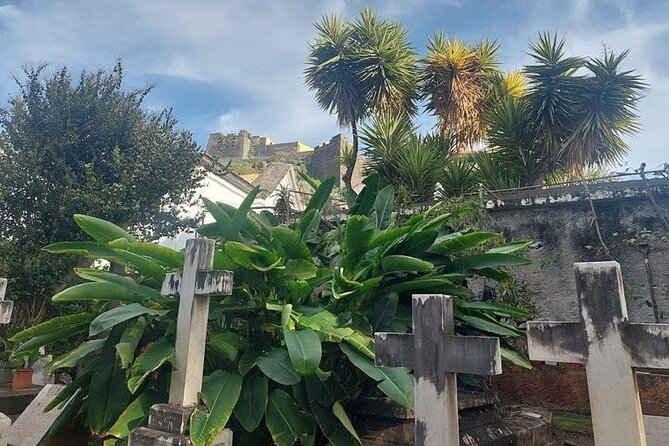
Right after the cemetery, you visit the first Protestant church in Portugal. The story here ties religion to economics, and that is where it gets interesting.
The route notes the church was partially funded through the historic sale of Madeira Wine. That detail does a lot of work. It explains how Madeira’s global reputation did not just bring ships and buyers, it helped pay for institutions too. It also gives you a fuller picture of Madeira beyond viewpoints and hikes.
The church stop is also a good moment to slow your pace again. You have just processed the cemetery, and now you get architecture and a different kind of reflection. Even if you do not go inside every time, the narration helps you understand what the building represents.
Other guided walks worth the shoe leather in Madeira
- Funchal: Old Town Walking Tour★ 4.7 · 3,233 reviews
- Madeira: Enjoy a Guided Levada Walk in the Rabaçal Valley★ 4.7 · 2,197 reviews
- Funchal: East Madeira Island Guided Tour & Laurissilva Walk★ 4.8 · 1,194 reviews
- Madeira East Island Tour and Levada Walk★ 4.5 · 787 reviews
- Madeira: Food and Wine Walking Tour in Funchal★ 4.8 · 469 reviews
São Pedro historic center: old churches, old streets, and a walk that feels human
From there you head into São Pedro, the historic center area tied to St. Peter’s Church. This stop is about grounding yourself in older Funchal. St. Peter’s Church is presented as a revered religious site with artistic and architectural treasures that speak to Madeira’s ancient past.
This is also where the walk feels most like what you want from a self-guided audio experience. You get to move at your pace, stop when something catches your eye, and then continue when you are ready. One practical advantage of audio tours is that you can give yourself permission to look longer, instead of feeling like you have to keep up with a group.
As you wander, the route also takes you through a small world of streets and corners that you would likely miss if you only followed the postcard route.
Wave-pattern cobblestones and St. John The Evangelist Church: the square that puts Funchal on display
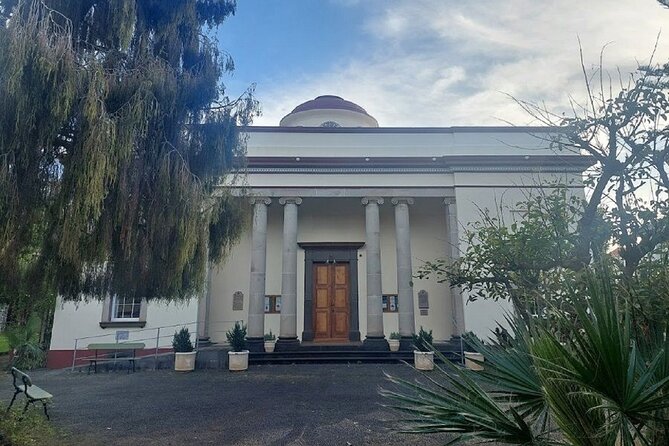
The route then takes you across wave-patterned Portuguese cobblestone pavement in a key square. It is one of those design choices you only notice when you are standing on it, not when you are reading about it later. The narration makes the square feel iconic, and the surrounding monuments help you connect the textures of street design to the city’s identity.
A major highlight here is St. John The Evangelist Church, which is described as stunning for its architecture, intricate carvings, and gilded interiors. Even if you do not spend a long time inside, this is the kind of stop where you can look around and see why Funchal earned its reputation for beautiful buildings.
Tip: if you are photographing, this is a good moment to pause and do it slowly. The cobblestones create strong lines, and the church details reward steady attention. If your phone is short on battery, this is also the place where a power-saving photo habit pays off.
Zarco statue and Palácio de São Lourenço: settlement myths made physical
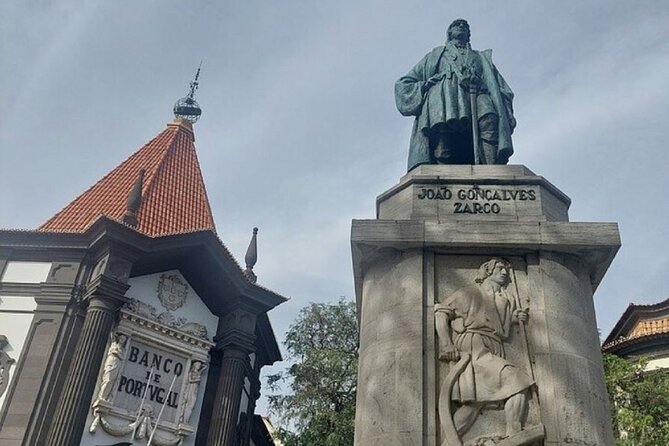
Next comes Zarco, presented through a towering statue in the center of Funchal. The narration connects Zarco to the settlement story and notes Madeira was unveiled 600 years ago. This stop is quick, but it is smart because it turns a name from history into a real reference point in the city.
Then you visit Palácio de São Lourenço, described as Funchal’s first ever fortress. The building’s imposing presence and architectural grandeur reflect the city’s strategic importance and storied past. This is where the walk shifts from memorials and churches to power and defense.
I like having this as a mid-to-late part of the route. By now you have absorbed a few different layers of Funchal, and this fortress stop adds a bigger-picture feeling. It makes the old streets around you feel less random. They start to look like a city built to endure.
Quay views, Praça do Povo, and Praça da Autonomia: sea air plus local pride
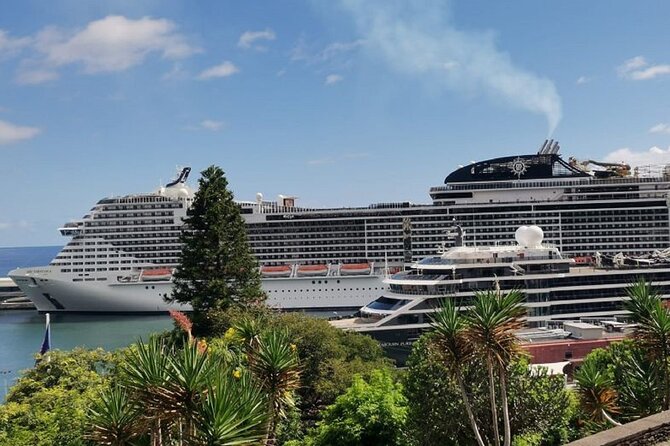
After the fortress, the walk becomes more open and social. You do a leisurely stroll along Funchal’s quay, a maritime-facing stretch that works as a visual reset. This is Madeira’s gateway to the sea, and the narration keeps the focus on maritime history and island adventures you can explore later.
Then you move to Praça do Povo, described as a lively meeting place for locals and visitors alike. The point is not just that it is a square. It is that you can feel Funchal’s everyday rhythm here, after you spend time in more formal landmark spaces.
Finally comes Praça da Autonomia with the Monument to Autonomy, a woman breaking free. This stop is purely about identity and pride. If you want your trip to feel like it belongs to the people who live there, this is the kind of landmark that makes you pause and think.
Finish at Mercado dos Lavradores and Cica Café: end with food, not guesswork
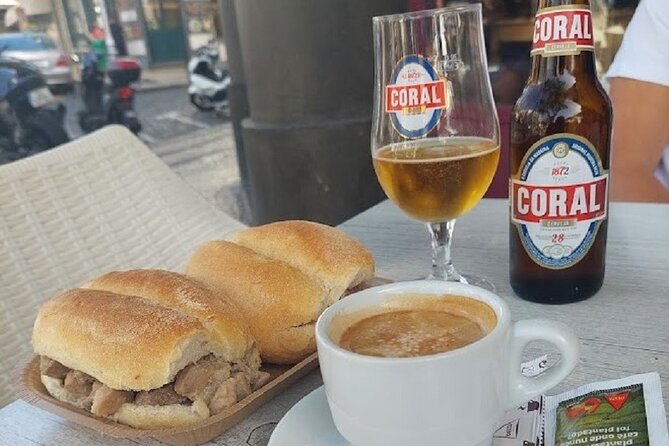
The walk concludes at Mercado dos Lavradores, and the end point is listed near Cica Café. This is a great finishing strategy. Instead of ending your walk with, now what, you end in a place designed for senses: sounds, sights, and the famous Madeira food culture.
The market is described as bustling and authentic, and it is explicitly positioned as a chance to savor Madeiran delicacies. Even if you only do a small bite and a drink, this ending gives your walk a satisfying close. It also prevents the common travel problem where you finish a sightseeing loop and then realize everything good is either closed or hard to find.
If you are the type who plans meals around neighborhoods, Mercado dos Lavradores is a strong final chapter.
Price, pacing, and how to get the most out of 1.5 to 2 hours
At $8.99 per person, this is one of those deals that can make or break a long day of activities. For that price, you get a structured walk across major points plus quieter stops. You also get the advantage of private participation, meaning it is just your group rather than a big pack.
Duration is listed as about 1 hour 30 minutes to 2 hours. That range matters. If you move quickly, you can fit it into a morning or afternoon slot. If you like to stop for photos and read details, you will likely lean closer to the two-hour side.
Practical ways to enjoy it more:
- Start ready to walk, not to rush. Cobblestones and hills can slow you down.
- Use the narration as a guide for where to look, not just where to stand.
- If you are doing other sights that day, keep this one flexible so you do not feel behind.
This is offered in English, and the route includes enough stops that you can build a feeling for the city without needing a full day.
Should you book this Funchal audio walk?
Yes, I would book it if you want an easy way to see Funchal’s historic center without arranging a full guided tour. The best reason is the mix. You get viewpoints at Quinta Vigia, a park stop, the Protestant cemetery and church story, major religious architecture in São Pedro, and then a final landing at the market.
I would skip it only if you strongly prefer a live guide who can answer questions on the spot. Because this is self-guided audio, you are the driver of your pacing, and you might want to pair it with one or two extra stops you care about outside the route.
If this is your first audio tour, it is also a friendly pick. It is short enough to feel manageable, and it covers enough meaningful places to justify the effort.
FAQ
How long is the self-guided walk in Funchal?
It takes about 1 hour 30 minutes to 2 hours, approximately.
Where do I start and where does it end?
You start at Quinta Vigia, Av. do Infante 1, São Martinho, 9000-015 Funchal and the walk ends near Cica Café at Cica.Mercado Lavradores, Lj. 1/2, Funchal, 9060-155 Funchal.
What does it cost?
The price is $8.99 per person.
Is it offered in English?
Yes, it is offered in English.
Is this a private tour or shared activity?
It is a private tour/activity, so only your group participates.
Are service animals allowed?
Yes, service animals are allowed.
Can I cancel for a full refund?
You can cancel for a full refund if you cancel at least 24 hours in advance. Cancellation is free, and it follows the local time rules for the experience start.
On Foot Elsewhere in Madeira
- Funchal: Old Town Walking Tour★ 4.7 · 3,233 reviews
- Madeira: Enjoy a Guided Levada Walk in the Rabaçal Valley★ 4.7 · 2,197 reviews
- Funchal: East Madeira Island Guided Tour & Laurissilva Walk★ 4.8 · 1,194 reviews
- Madeira East Island Tour and Levada Walk★ 4.5 · 787 reviews
- Madeira: Food and Wine Walking Tour in Funchal★ 4.8 · 469 reviews
More Tour Reviews in Madeira
- From Funchal: Ecological Catamaran Dolphin Whale Watching★ 4.5 · 5,771 reviews
- Madeira: Skywalk, Porto Moniz, Seixal, and Fanal 4WD Tour★ 4.9 · 5,732 reviews
- Funchal: Dolphin and Whale Watching Catamaran Cruise★ 4.5 · 5,697 reviews
- Funchal: Enchanted Terraces, Porto do Moniz & Fanal 4WD Tour★ 4.8 · 4,930 reviews
- From Funchal: Best of Madeira’s West Tour★ 4.7 · 3,463 reviews
Funchal, Six More Ways
- From Funchal: Ecological Catamaran Dolphin Whale Watching★ 4.5 · 5,771 reviews
- Funchal: Dolphin and Whale Watching Catamaran Cruise★ 4.5 · 5,697 reviews
- Funchal: Enchanted Terraces, Porto do Moniz & Fanal 4WD Tour★ 4.8 · 4,930 reviews
- From Funchal: Best of Madeira’s West Tour★ 4.7 · 3,463 reviews
- Madeira: Best of the East Tour from Funchal★ 4.7 · 3,364 reviews
Newest additions from around Madeira
- Private Tuk Tuk Tour on Câmara de Lobos, Fishing Village
★ 5.0 · 3 reviews - Basic Tour 1 – Shuttle (Quinta do Lorde to Cais do Sardinha) (one way)
★ 4.5 · 3 reviews - Sunset Tour @ Pico Do Areiro | Half Day 4×4 Tour
★ 4.7 · 3 reviews - Rabaçal: Lagoa do Vento, Levada Risco and Levada 25 Fontes
★ 3.4 · 3 reviews - Madeira all day jeep nature tours.
★ 3.7 · 3 reviews - Levada do Alecrim – Rosemary Levada (Full Day Walk)
★ 4.5 · 3 reviews - 5 Hours Private Tour to Santana, Thatched houses
★ 5.0 · 3 reviews - Madeira West Coast E-Bike Tour
★ 5.0 · 3 reviews
Walking Tours, compared.
 ★ 4.7Old Town Walking TourFrom $193,233 reviews
 ★ 4.7Enjoy a Guided Levada Walk in the Rabaçal ValleyFrom $502,197 reviews
 ★ 4.8East Madeira Island Guided Tour & Laurissilva WalkFrom $351,194 reviews
 ★ 4.5Madeira East Island Tour and Levada WalkFrom $63787 reviews
 ★ 4.5Old Funchal Walking TourFrom $19511 reviews
 ★ 4.8Food and Wine Walking Tour in FunchalFrom $111469 reviews
 ★ 4.8Madeira Peaks Mountain WalkFrom $50380 reviews
 ★ 5.0Skywalk 4×4 Experience and Rabacal 25 Fountains Levada WalkFrom $41318 reviews
Browse the lists this tour appears in