
Reviewed · MADEIRA SURF & WATERSPORTS TOURS
Funchal: Madeira Island Group Surf Lesson
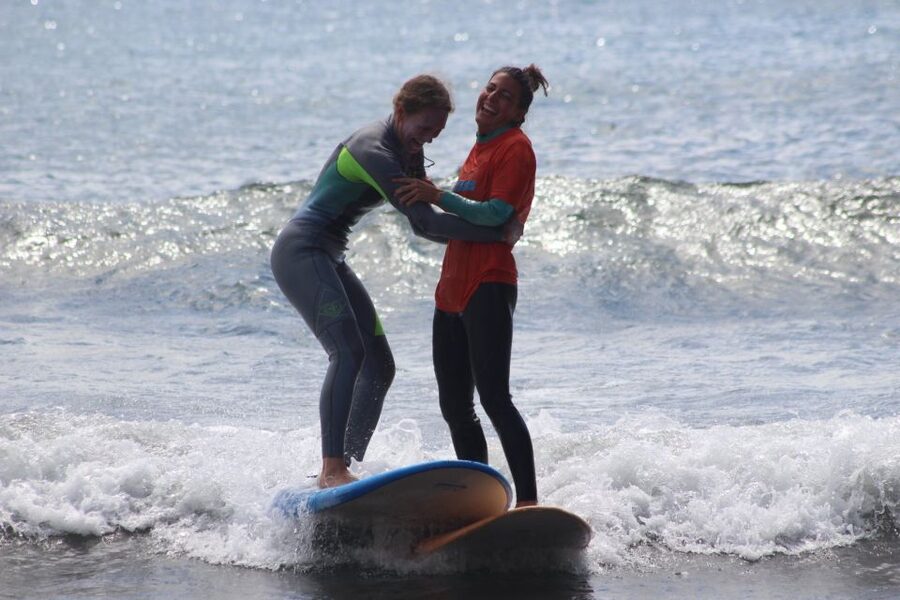
You don’t need experience to catch waves in Madeira. This Funchal surf lesson sends you to beginner-friendly spots like Porto da Cruz and Machico, with hands-on coaching in real ocean conditions. I love that the session is built around quick skill wins, and I also like the way the instructors keep things organized, calm, and focused on your level, even when the group grows. One thing to consider: class times and surf spots can change with tides and weather, so plan for a little flexibility.
What makes this outing feel practical, not touristy, is the flow. You start with a warm-up and a technical demonstration on the beach, then you head into the water to put the basics to work. In the feedback, names like João (Johnny), Kaja, and Sebastian pop up often, and the common thread is patient instruction, safety-first coaching, and real tips that help you progress fast. The Atlantic can be cold, even with a wetsuit, so bring the towel and extra layers you’ll want for afterwards.
Key Points You’ll Care About
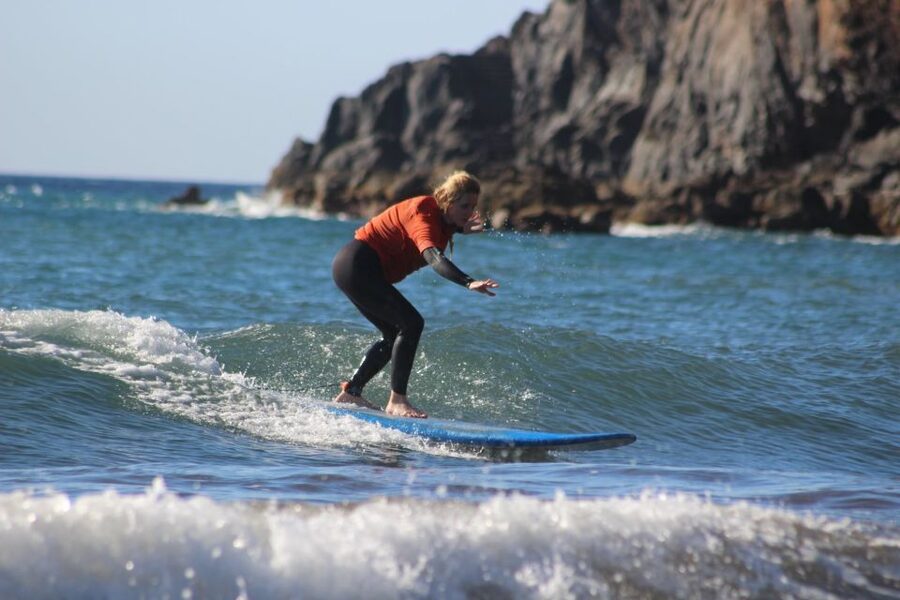
- Beginner-focused coaching that helps you stand up and catch your first waves in one session
- Beach warm-up plus technical demos, so you understand what to do before you hit the water
- Multiple beginner spots on Madeira, commonly around Porto da Cruz and Machico
- Gear, transport, and insurance included, which makes the $100 price feel more straightforward
- Small coach attention, though group size can vary depending on conditions
- Tides and weather control the timing, so expect morning or afternoon starts
More of Funchal, once you have done the market and the toboggan
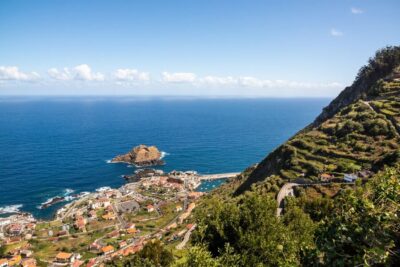

Entering Madeira’s Surf Scene, Without Pretending You’re a Pro
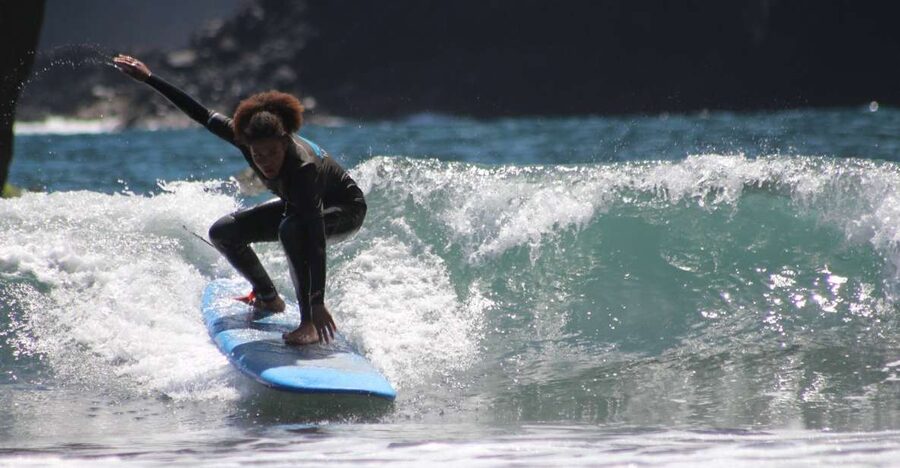
If you’ve pictured Madeira as cliffs, levadas, and dramatic viewpoints, this lesson adds a different angle. You’ll be learning where the island meets the Atlantic, with waves and wind shaping your ride in real time. That matters because surf skills are about timing and reading conditions, not memorizing tips on land.
I like how the experience is framed for all levels, including total beginners. You’re not thrown into chaos. You get a warm-up, a demonstration, and then coaching that aims for progress you can feel, not just “participation points.” And since the activity is about Madeira from the sea, you get a more active connection to the island than a standard sightseeing loop.
The best part for you, if you’re new, is that the instructors bring your brain into the wave. You learn what to do with your stance, when to paddle, and how to catch the wave with confidence. People in the group often mention getting on the board quickly, including first-time surfers who were standing and even riding independently after a few hours.
The 4-Hour Flow That Actually Builds Confidence
This is a tight, four-hour format, and it works because it follows a simple pattern: teach, practice, repeat. First comes warm-up time on the beach, with movement and technique prep. Then you get a technical demonstration so you’re not guessing once you’re in the water.
Once you’re suited up, you head out to catch waves. The lesson emphasizes learning in waves that make sense for your ability level, not just chasing the biggest or most intense surf. In multiple accounts, instructors are praised for giving individual feedback, which is what turns a “maybe I can do it” moment into a “I can ride this” moment.
You’ll also feel the physical reality of surfing in Madeira: cool Atlantic water, wetsuit time, and the adrenaline when you finally connect with a wave. That mix is part of the point. You come away tired in a good way, with a skill you can build on later.
One detail worth planning around: the session length can stay around four hours, but the exact schedule can land in the morning or afternoon depending on tides, sea state, and weather. That means you should keep the rest of your day flexible.
Choosing Between Seixal, Machico, and Porto da Cruz
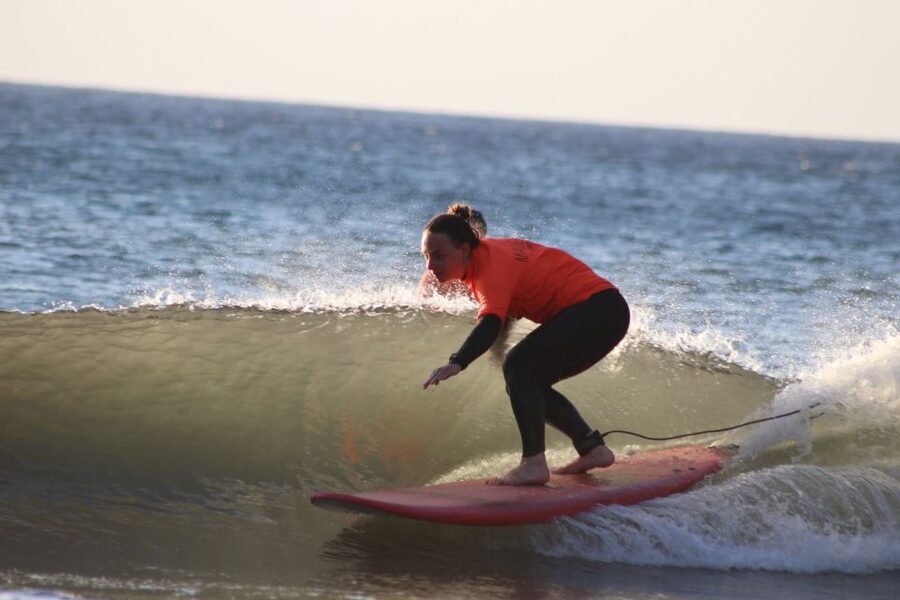
Surf lessons are only as good as the surf spot match, and Madeira has a bunch of options that can work well for beginners. In this experience, you’re typically routed to beginner-friendly areas across the island, including Praia do Seixal, Praia de Machico, and Porto da Cruz. Which one you get can depend on conditions on the day.
Here’s why that matters for you: beginner surfing is safer and easier when waves are the right size and timing. Smaller, manageable waves give you more attempts, better practice, and fewer scary wipeouts. People describe the spots as beautiful and well-suited for learning, with routes that get you away from the most predictable approach.
Porto da Cruz is often highlighted as a dream spot for this kind of lesson. Machico also comes up, especially for those who want a straightforward start and a smooth learning curve. Praia do Seixal is another name you’ll hear for beginners. The instructors choose based on sea conditions, which is exactly what you want in a lesson where progress matters more than bragging rights.
If you’re the type who gets anxious when plans change, this might still work well for you. The swap is usually between similar beginner-friendly targets, not random chaos. The control comes from tides and weather, and your instructor’s job is to keep the surf teachable.
You’re Not Just Riding, You’re Getting Real Coaching
A surf lesson is either someone yelling from shore, or it’s a coaching system. This one leans toward coaching, and the instructor names in the feedback make that clear. People repeatedly praise João (Johnny) and Kaja, and you may also encounter other team members such as Sebastian or Madgalena. Monica is another name that shows up in confirmations.
What stands out in the comments you should take seriously is the patience. First-timers are often nervous, and instructors do well when they slow things down, explain clearly, and keep you safe. That is exactly what you want when the ocean is cold, the waves are unpredictable, and you’re learning paddling timing for the first time.
The instructors also seem to pay attention to different bodies and skill levels in the same group. One review mentions that feedback was individual enough that people kept improving ride after ride. Another suggests group sizes can sometimes be larger, which can reduce the coach-to-student ratio. That brings us to a practical point: you can get an excellent lesson even with more people present, but smaller groups usually mean more hands-on correction.
Still, the safety emphasis comes up over and over. Even when it was cold, instructors stayed in the water long enough to guide effectively. That tells you this isn’t a rushed “try it and hope” setup.
A few more Madeira trips people book alongside this one
- Madeira: Surf Lessons for All Levels★ 4.8 · 191 reviews
- Surfing Lessons in Madeira★ 5.0 · 168 reviews
- Madeira Surfing Lessons – Aroundfreedom Surf School★ 5.0 · 104 reviews
- Madeira: surf lesson at Porto da Cruz★ 4.8 · 67 reviews
- Surf lesson in Madeira★ 4.8 · 55 reviews
Equipment and Transport: The Hidden Value Behind the Price
At about $100 per person for four hours, the price makes more sense when you look at what you’re not paying for separately. The experience includes transportation to the beach, surf gear like wetsuit and surfboard, insurance, and an instructor. In many places, you’d pay those costs individually, then still need a guide.
You’re also paying for the instructor’s ability to match you to the right surf conditions. That is hard to price, but it’s the difference between feeling stuck for the entire session and coming away with new skills you can actually repeat. When the spots are beginner-friendly and the teaching is clear, you get more wave attempts and more meaningful practice time.
I like that the lesson doesn’t try to sell you extras during the session. Food and drinks are not included, so bring snacks if you’ll get hungry. You’ll want sunscreen, water, and a towel ready for the post-water reset.
Also, check the languages. The instructors can work in German, Portuguese, and English. That helps if you don’t want to fight with technical surf vocabulary while you’re trying to stand up.
What It Feels Like on the Day: Warm-Up, Cold Water, First Waves
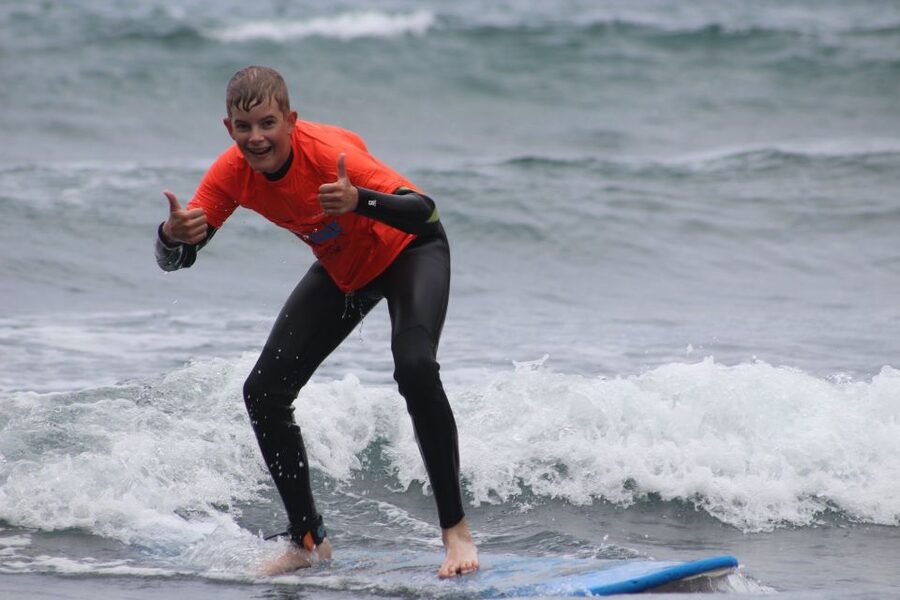
Expect a real sequence, not a vague event. You’ll meet up and get transported to a beach area where you start with warm-up moves and technique coaching on shore. That beach portion matters because it helps you understand what “success” looks like. You learn how to position yourself, what to do when you’re paddling, and how to react when a wave comes through.
Then comes the ocean part. The Atlantic water around Madeira can feel chilly, especially if the wind picks up. The wetsuit helps, but you’ll still feel cold at times, particularly during breaks between wave sets. People mention cold conditions for instructors too, which is a reminder that the session is real, not a short demo.
When you catch your first wave, that adrenaline hit is real. Even if you don’t ride perfectly right away, you’re experiencing the core action of surfing. And because you get coached through repeats, you can usually improve over the session rather than just complete one lucky ride.
Afterwards, plan for the practical wrap-up: towel time, warm up, and a snack. The lesson provides gear, but it doesn’t provide food.
Cold-Water Survival Kit: What to Bring for a Better Lesson
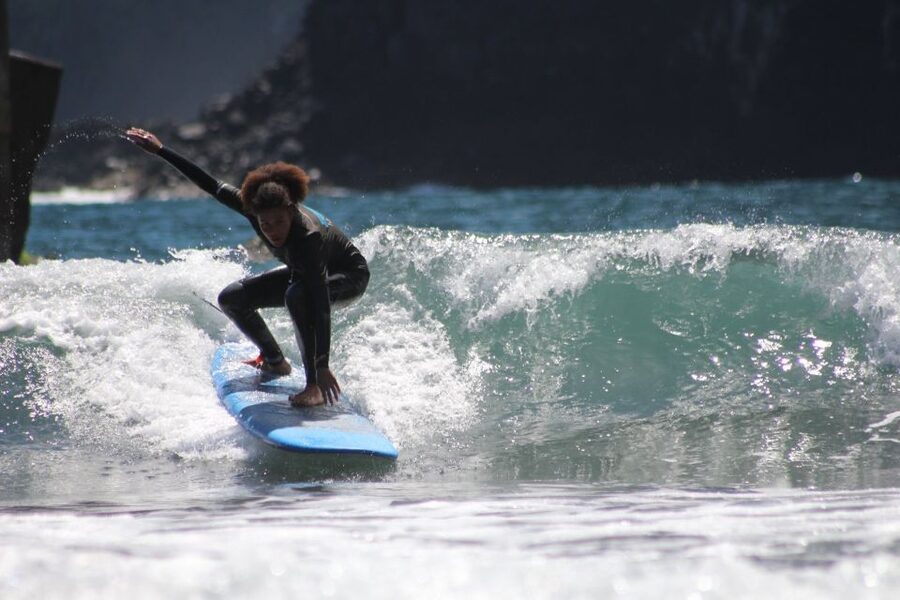
The lesson tells you what to bring, and you’ll thank yourself for following it.
Bring:
- Comfortable shoes for the beach and any walking between pickup points and the shoreline
- Swimwear underneath your wetsuit
- A towel for after the session
- Snacks, because food and drinks are not included
- Sunscreen, because the sun can still be strong even when you feel cool
- Water, for hydration before and after
If you tend to get cold quickly, you might also want a warm layer for after you change. The wetsuit helps while you’re in the water, but the moment you’re out, wind and damp skin can chill you fast.
One more practical tip: pack your essentials so you’re not rummaging with sandy hands. A small dry bag can make the whole day easier, especially when you’re moving between beach and ocean time.
Safety, Skill Progress, and the Group Size Variable
The lesson is designed for controlled learning, and safety is a theme in the feedback. Instructors are described as professional, attentive, and patient. That shows up especially with beginners who are nervous about feeling in danger. Instructors also give corrections that keep you from repeating the same mistake over and over.
Skill progress tends to come from two factors:
- You get enough time in the water to practice, not just watch.
- You receive feedback that makes your next attempt smarter.
There is one consideration: group size can vary. One account mentions a larger group combined after a cancellation, which meant too many people for two instructors at the same time. When that happens, you might not get as much direct hands-on correction per person as you would in a smaller class. The good news is that even in that situation, people still rated the experience highly for teaching quality.
For your best learning outcome, try to arrive ready and attentive. Listen on the beach, ask questions during breaks if you can, and focus on one or two corrections at a time. Surfing is hard enough without juggling five instructions while paddling.
Who Should Book This Madeira Surf Lesson
This surf lesson is a great fit if:
- You’re a complete beginner and want a structured path to standing and riding
- You want to experience Madeira from the sea without committing to a full multi-day surf program
- You’d like local coaching that works in real Atlantic conditions, not just a calm lagoon
- You speak German, Portuguese, or English and want instruction in your language when possible
It may be less ideal if:
- You only want rigid schedules and hate plan changes tied to tides and weather
- You expect a tiny class where an instructor is always right next to you, every moment
- You’re sensitive to cold water and don’t plan for it with proper post-session comfort
If you’re traveling as a family, there’s a strong beginner track here. One review described a 13-year-old gaining confidence quickly, and a parent managing first waves too.
Should You Book This Madeira Surf Lesson?
Yes, if you want a high-chance, beginner-friendly surf experience with real instruction and the basics handled for you. The value is in the package: gear, transport, insurance, and coaching included, all within a four-hour window that typically moves people from hesitant paddling to actual rides.
Book it if you’re okay with tides and weather influencing exact timing. On Madeira, the ocean runs the schedule, and this lesson is built around that reality. If the forecast looks wild, you might shift dates or times, but that’s part of getting surf that’s teachable.
Before you go, pack your towel, snacks, water, and sunscreen, and treat the beach warm-up seriously. That’s where you’ll set yourself up to catch waves faster once you’re in the Atlantic.
If you’re craving a Madeira activity that feels physical, outdoorsy, and genuinely skill-building, this is a solid call.
FAQ
How long is the Madeira surf lesson?
The lesson lasts about 4 hours.
Where does the surf lesson take place?
You’ll surf in the Atlantic waters around Madeira Island, commonly around beaches such as Porto da Cruz and Machico, and also beginner-friendly areas like Praia do Seixal and Praia de Machico.
What is included in the price?
Transportation to the beach, surf equipment (including a wetsuit and surfboard), insurance, and an instructor are included.
What should I bring with me?
Bring comfortable shoes, swimwear, a towel, snacks, sunscreen, and water.
What time of day does the lesson run?
Class times depend on tides, sea, and weather conditions, so it can be in the morning or afternoon. The instructor contacts you to arrange the exact pickup time.
What languages are the instructors?
Instructors can teach in German, Portuguese, and English.
What if the activity is cancelled due to conditions?
If it’s cancelled because of tides or weather, you’ll receive a refund or you can book an alternative date.
What is the cancellation policy?
You can cancel up to 24 hours in advance for a full refund.
Making Things in Madeira
- Madeira: Surf Lessons for All Levels★ 4.8 · 191 reviews
- Surfing Lessons in Madeira★ 5.0 · 168 reviews
- Madeira Surfing Lessons – Aroundfreedom Surf School★ 5.0 · 104 reviews
- Madeira: surf lesson at Porto da Cruz★ 4.8 · 67 reviews
- Surf lesson in Madeira★ 4.8 · 55 reviews
More Tour Reviews in Madeira
- From Funchal: Ecological Catamaran Dolphin Whale Watching★ 4.5 · 5,771 reviews
- Madeira: Skywalk, Porto Moniz, Seixal, and Fanal 4WD Tour★ 4.9 · 5,732 reviews
- Funchal: Dolphin and Whale Watching Catamaran Cruise★ 4.5 · 5,697 reviews
- Funchal: Enchanted Terraces, Porto do Moniz & Fanal 4WD Tour★ 4.8 · 4,930 reviews
- From Funchal: Best of Madeira’s West Tour★ 4.7 · 3,463 reviews
Funchal, Six More Ways
- From Funchal: Ecological Catamaran Dolphin Whale Watching★ 4.5 · 5,771 reviews
- Funchal: Dolphin and Whale Watching Catamaran Cruise★ 4.5 · 5,697 reviews
- Funchal: Enchanted Terraces, Porto do Moniz & Fanal 4WD Tour★ 4.8 · 4,930 reviews
- From Funchal: Best of Madeira’s West Tour★ 4.7 · 3,463 reviews
- Madeira: Best of the East Tour from Funchal★ 4.7 · 3,364 reviews
Newest additions from around Madeira
- Private Tuk Tuk Tour on Câmara de Lobos, Fishing Village
★ 5.0 · 3 reviews - Basic Tour 1 – Shuttle (Quinta do Lorde to Cais do Sardinha) (one way)
★ 4.5 · 3 reviews - Sunset Tour @ Pico Do Areiro | Half Day 4×4 Tour
★ 4.7 · 3 reviews - Rabaçal: Lagoa do Vento, Levada Risco and Levada 25 Fontes
★ 3.4 · 3 reviews - Madeira all day jeep nature tours.
★ 3.7 · 3 reviews - Levada do Alecrim – Rosemary Levada (Full Day Walk)
★ 4.5 · 3 reviews - 5 Hours Private Tour to Santana, Thatched houses
★ 5.0 · 3 reviews - Madeira West Coast E-Bike Tour
★ 5.0 · 3 reviews
Madeira Surf & Watersports Tours, compared.
 ★ 4.8Surf Lessons for All LevelsFrom $82191 reviews
 ★ 5.0Surfing Lessons in Madeira168 reviews
 ★ 4.9Half-Day Coasteering TourFrom $74131 reviews
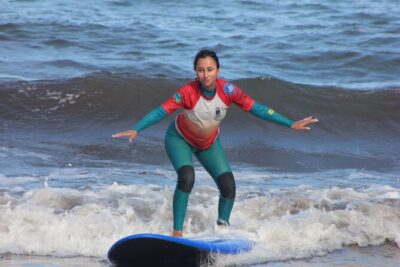 ★ 5.0Madeira Surfing Lessons – Aroundfreedom Surf SchoolFrom $72104 reviews
Coasteering Adventure with Snorkeling, w/pick-upFrom $72103 reviews
★ 5.0Madeira Surfing Lessons – Aroundfreedom Surf SchoolFrom $72104 reviews
Coasteering Adventure with Snorkeling, w/pick-upFrom $72103 reviews
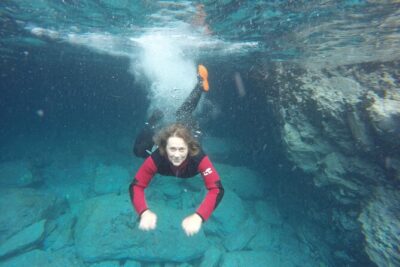 ★ 5.0Coasteering Tour – Cliff jumping, swimming, scrambling.From $8469 reviews
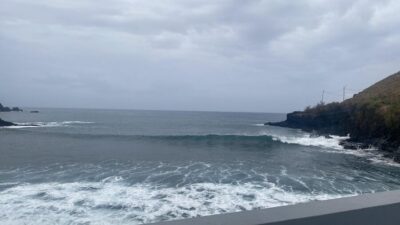 ★ 4.8surf lesson at Porto da CruzFrom $7667 reviews
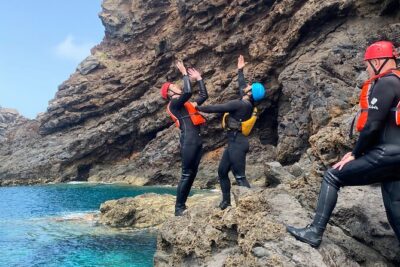 ★ 5.0Coasteering Adventure with Snorkeling from FunchalFrom $7860 reviews
Browse the lists this tour appears in