
Reviewed · FUNCHAL TOURS
Funchal: Sacred Art Museum of Funchal Entry Ticket
Religious art with Madeira views nearby. The Sacred Art Museum of Funchal is a focused, walk-in-and-understand kind of stop, with Portuguese painting and sculpture laid out from Gothic to Baroque. I also like how the museum mixes big religious works with smaller, material details like sacred silver and textile pieces.
One thing to watch is that the experience depends on what you chose: if you book the guided option, make sure the guide is actually included, since one visitor ended up without guidance. If you prefer context, don’t assume the ticket automatically means a live tour.
Key highlights at a glance
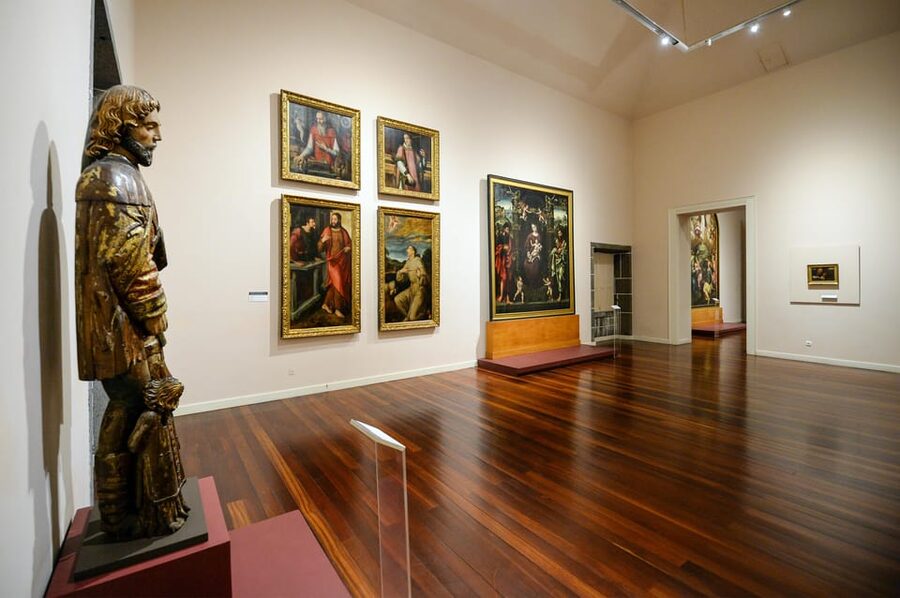
- Chronological viewing of Portuguese religious art, from Gothic through Baroque
- Portuguese religious painting and sculpture spanning the 15th to 18th centuries
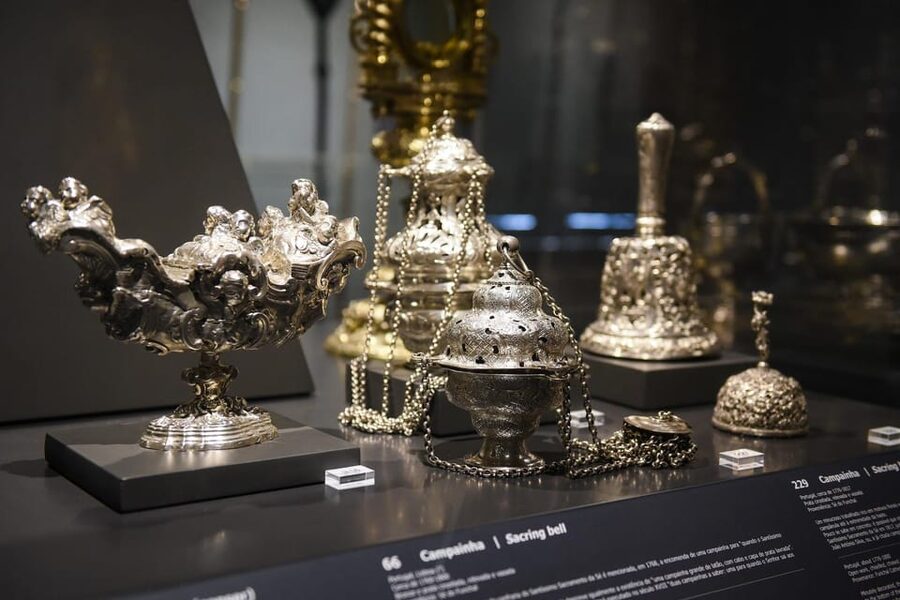
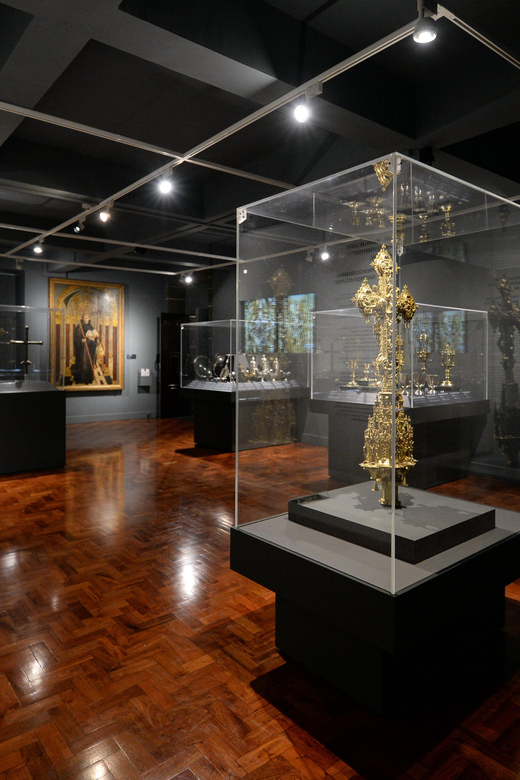
- Sacred silver and religious vestments/textiles, not just paintings on walls
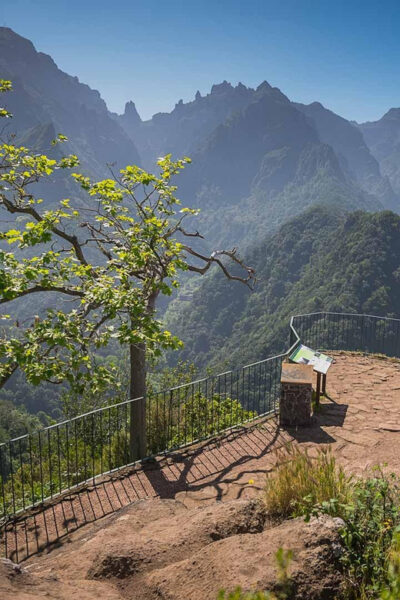
- A beautiful museum setting, plus a terrace view that many people remember
- Self-guided or guided tour in Portuguese or English, in small groups
More of Funchal, once you have done the market and the toboggan


Sacred Art Museum of Funchal: what you are really buying with a $11 ticket
For $11 per person, you’re getting a short museum visit that punches above its time limit. The ticket is set up around a 50-minute window, which matters in a place like Funchal where you’ll probably want to keep moving during the day. This is not a half-day commitment. It is a smart “stop in, see the key works, and exit with a clearer sense of Madeira’s cultural roots.”
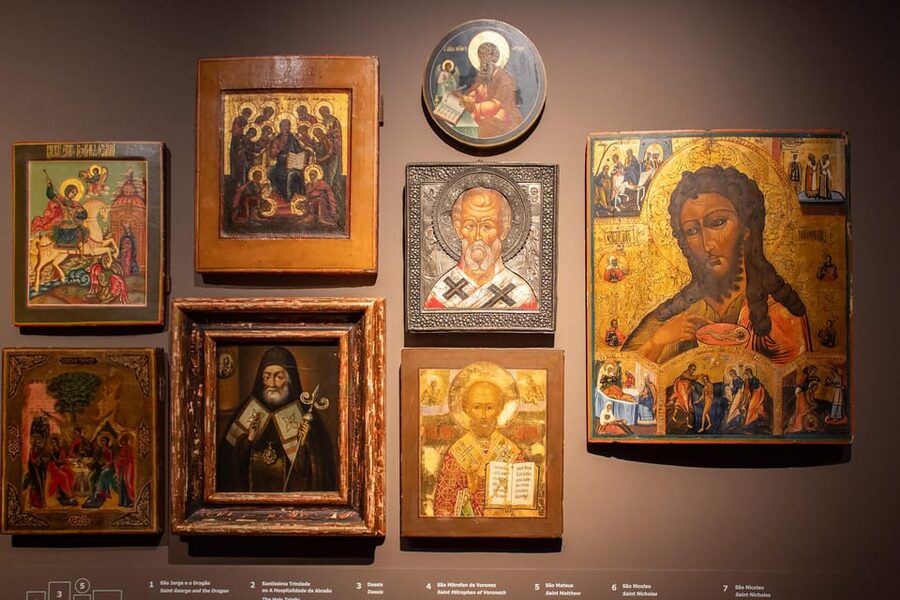
The price also feels fair because the collection is wide in theme, not just one type of art. You can expect painting, sculpture, sacred silver, and religious vestments and textiles. That mix helps even if you’re picky. If you get tired of one medium, another gallery will pull you back in.
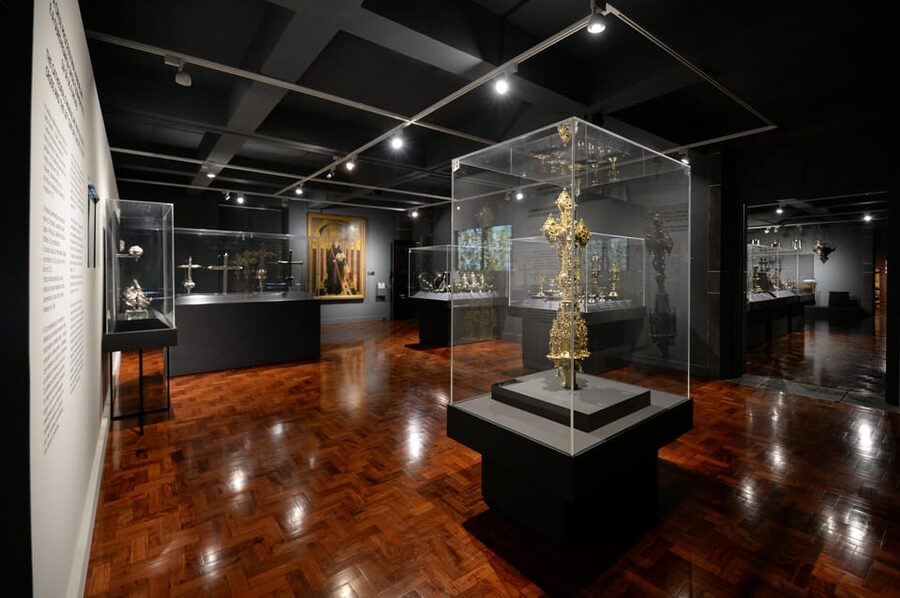
And yes, there is architecture to enjoy. One review called out the building itself, which makes sense because the museum experience here is not purely about objects behind glass. It’s also about being in a real museum space, not just a storage room with labels.
Picking self-guided or guided: the difference you will actually feel
You basically have two ways to experience this museum: self-guided at your own pace, or a guided tour if you select it. Both can work, but they serve different moods.
If you choose self-guided, you will likely move through the museum in a chronological flow on your own. The collection approach is meant to help you see how styles changed across centuries. In plain terms, you are walking through how religious art expressed emotion and meaning over time.
If you choose guided, you get a live guide speaking Portuguese and English. And that matters because religious art can be heavy on symbolism. A guide can help you connect what you’re seeing, from Gothic forms to Baroque drama, with the “why” behind the style changes.
Practical tip: if you want guided, confirm the guided option when booking. One visitor’s experience wasn’t guided, and that’s exactly the kind of mismatch you want to avoid when you’re paying for narration.
A chronological museum walk, from Gothic to Baroque
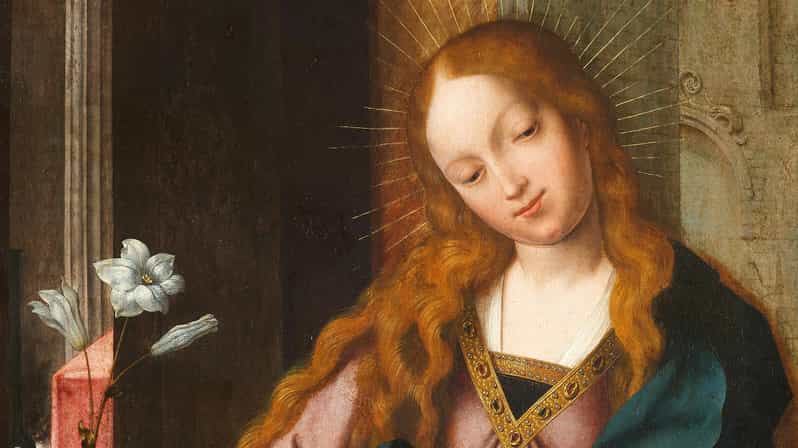
The museum’s setup is designed for understanding, not just browsing. The collection covers Madeira’s sacred art through five centuries, with a specific emphasis on Portuguese religious painting and sculpture from the 15th to the 18th century. Instead of treating the art as a random assortment, the museum follows a time-based approach.
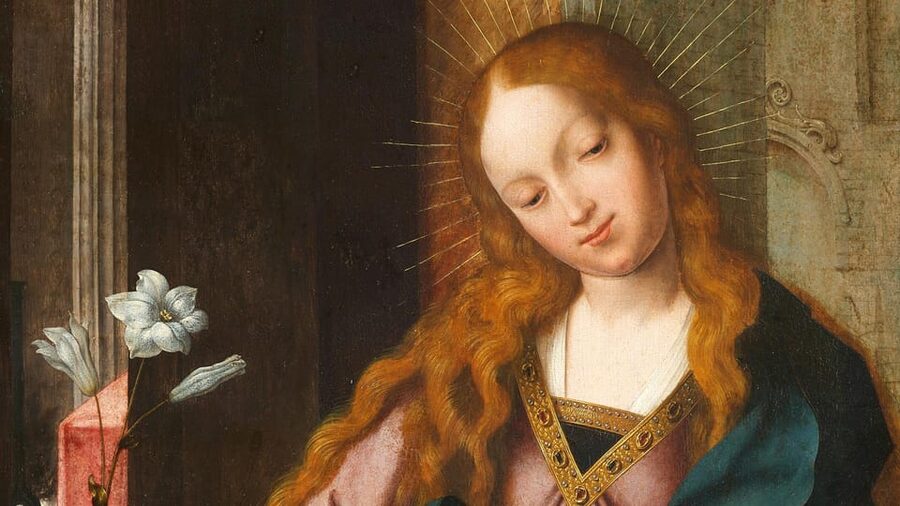
Here’s what that means for you on the ground. As you go, you should start noticing shifts in how figures look, how scenes are staged, and how emphasis is placed within an artwork. Gothic art tends to feel more structured and formal. Later Baroque pieces often feel more theatrical, more emotional, and more intent on pulling you into the moment.
The museum also highlights a key influence: Renaissance Humanism as it traveled into Flemish and Italian art. That detail is useful. It reminds you that art styles did not stay put on one island. Madeira sat in a wider European cultural orbit, and that shows up in religious objects used and admired across time.
If you care about art more than romance, you’ll probably love this layout. It trains your eye. You start comparing, not just admiring.
The kinds of works you will see (and why each matters)
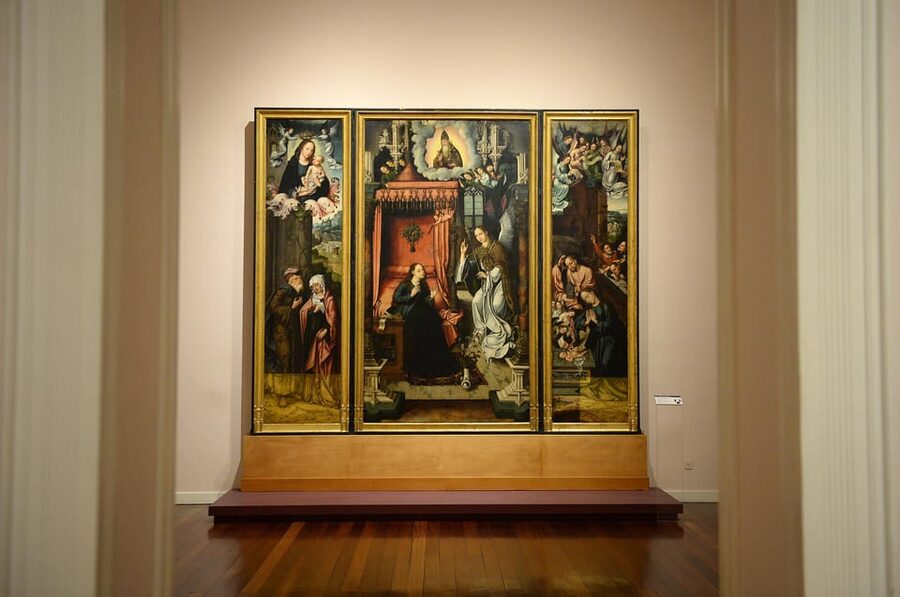
What makes this museum a strong value is that it is not only about large, famous-looking artworks. You get a range of sacred materials, and each category teaches you something different about religious life in Madeira.
- Porto Moniz, Seixal, Fanal Forest, Cliff Skywalk in Open Roof 4X4★ 5.0 · 3,631 reviews
- Funchal: Pico do Arieiro Sunrise Transfer Self-guided Hike★ 4.9 · 2,798 reviews
- Madeira Funchal:East Tour Pico Arieiro & Santana&Laurissilva★ 4.9 · 1,994 reviews
- Madeira Dolphin and Whale Watching on a Ecological Catamaran★ 4.5 · 1,957 reviews
- VipDolphins Luxury Whale Watching★ 5.0 · 1,709 reviews
Portuguese religious painting and sculpture
This is the backbone. You will spend most of your visit looking at religious painting and sculpture across the Gothic to Baroque timeline. These are the works that help you see changing artistic language, not just changing subjects.
A good way to enjoy this section is to do quick comparisons. Look at one artwork, then look at the next that comes later in time. Don’t overthink it. The goal is to notice a shift in style, mood, and presentation.
Sacred silver
Sacred silver is the kind of medium that can surprise you. Even if you normally skip “metal stuff” in museums, you may find yourself slowing down here. Silver often catches light and reveals skill in surfaces and details. It also signals status and devotion, since sacred objects weren’t just decorative.
If you like craftsmanship, this section gives you that satisfying “hands made this” feeling.
Religious vestments and other textiles
Textiles and vestments are easy to overlook on a first pass because they can seem like background. But here, they matter because they show how worship was visually performed, not only displayed. Fabric carries meaning through color, pattern, and the labor involved in making it.
If you are the type who likes museum objects that feel wearable in their original context, you may enjoy lingering over these pieces.
The museum building and the terrace view you will remember
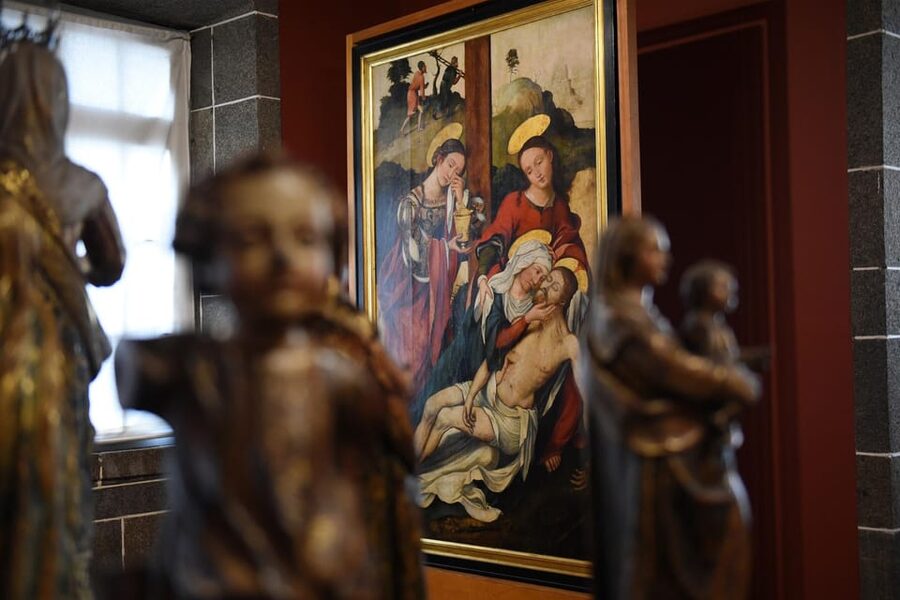
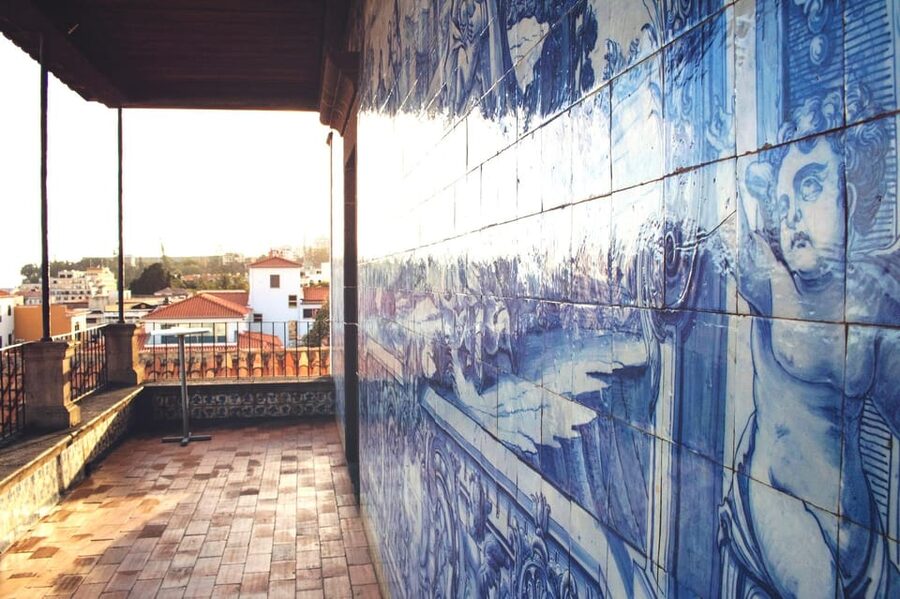
This stop is not all indoor staring. One of the best selling points from a strong review is the terrace view. That’s a big deal because Funchal is the kind of city where views make you feel like you’re in a real place, not just a museum day.
So after your galleries, take time to step out and look around. Even if you’re not a big “terrace person,” you’ll likely appreciate the break. It turns the museum into a fuller experience instead of ending abruptly when you hit the exit door.
The building itself also got praise. That matters because when a museum setting feels good, you relax more. You read labels more calmly. You give yourself permission to enjoy the art instead of rushing to beat the clock.
How long it really takes: making 50 minutes feel like the right length
The ticket duration is listed as 50 minutes. That is short enough that you won’t get bored, but long enough to do more than a quick lap.
In practice, here’s how I’d plan your time:
- Spend the first part orienting yourself in the chronological section, so you know what period you’re looking at.
- Then let the mediums pull you in. If sacred silver grabs you, give it extra attention.
- Finish with the terrace if you want that final mood shift from gallery stillness to city air.
This timing also makes the museum a good companion to other Funchal activities. You can pair it with a meal or with a walk without feeling like you locked yourself into a long indoor block.
Price and value: is $11 actually fair here?
At $11 per person, this is priced like a small, focused cultural stop rather than a premium experience. For you, the value comes from three things:
First, the collection covers multiple object types, so you are not stuck only with paintings or only with sculpture. That variety makes the museum feel bigger than a 50-minute visit.
Second, the art is presented in a way that supports understanding. The chronological approach from Gothic through Baroque, plus the mention of Renaissance Humanism influences, gives your visit structure. You leave with ideas, not just images.
Third, you get optional guided interpretation in Portuguese or English. If you choose guided, you are paying for a human layer that can turn labels into meaning.
One note: Madeira residents have reduced prices that are not available on the same booking platform used here. If you are a local, you may do better by asking locally. If you are visiting, $11 is still a straightforward entry fee for a museum that includes a range of media.
Who this museum is best for (and who should skip it)
This museum is a great fit if you:
- like religious art, especially the shift in styles across centuries
- enjoy museum context, not just object photos
- want a short indoor stop that leaves time for the outdoors
It’s also good for travelers who don’t want a marathon museum day. Fifty minutes is enough to make a dent in what matters here.
If you strongly dislike religious themes, then this might not match your tastes. The museum is centered on sacred materials, including paintings, sculpture, and vestments. It’s not trying to be a general art museum.
And if you want a guided tour experience, be sure you select the guided option. One review issue suggests you can end up without guidance if the choice is misunderstood.
Small group tours: better than racing through rooms
When guided tours are available, they are described as small group. That usually means less chaos and more chance to actually hear the guide and ask a question.
Even in self-guided mode, the museum design supports a calmer pace. A chronological approach is easier to follow when you are not surrounded by a huge crowd. It also helps you compare works without constant interruptions.
A practical checklist before you go
I’d do these two quick things to make your visit smooth:
- Decide upfront: self-guided or guided. If you want interpretation, select guided.
- Plan for about 50 minutes plus a little extra time for the terrace if you care about views.
Also, since languages include Portuguese and English, you should feel covered if you speak either.
Should you book the Sacred Art Museum of Funchal?
Book it if you want a smart, compact introduction to Portuguese religious art connected to Madeira’s broader story. The $11 price is hard to complain about for a museum that covers painting, sculpture, sacred silver, and religious textiles, and that follows a time-based way of looking at style.
Skip or reconsider if you hate religious art themes, or if you only enjoy very long museums where you can wander without structure. And if guided narration is important to you, double check the guided option before you go, because one visitor’s experience showed that not everyone ended up with a guide.
FAQ
How long is the Sacred Art Museum of Funchal visit?
The duration is 50 minutes.
What is included with the entry ticket?
Entrance to the Sacred Art Museum of Funchal is included. A guided tour is included only if you select the guided option.
Is there a self-guided option?
Yes. You can visit at your own pace for a free visit.
Are guided tours available, and what languages are offered?
Guided tours are available if you choose that option. Live tour guides speak Portuguese and English.
Is the tour offered in small groups?
Yes, small group is available.
How much does it cost?
The price is $11 per person.
Can I cancel and get a refund?
Yes. You can cancel up to 24 hours in advance for a full refund.
Is there a reserve now, pay later option?
Yes. You can reserve now and pay later, meaning you pay nothing today.
Are there reduced prices for residents of Madeira?
Yes. Residents of Madeira have reduced prices that are not available on GetYourGuide.
More Tour Reviews in Funchal
- Porto Moniz, Seixal, Fanal Forest, Cliff Skywalk in Open Roof 4X4★ 5.0 · 3,631 reviews
- Funchal: Pico do Arieiro Sunrise Transfer Self-guided Hike★ 4.9 · 2,798 reviews
- Madeira Funchal:East Tour Pico Arieiro & Santana&Laurissilva★ 4.9 · 1,994 reviews
- Madeira Dolphin and Whale Watching on a Ecological Catamaran★ 4.5 · 1,957 reviews
- VipDolphins Luxury Whale Watching★ 5.0 · 1,709 reviews
Funchal, Six More Ways
- Funchal: Pico do Arieiro Sunrise Transfer Self-guided Hike★ 4.9 · 2,798 reviews
- Madeira Funchal:East Tour Pico Arieiro & Santana&Laurissilva★ 4.9 · 1,994 reviews
- From Funchal: Transfer to Pico do Arieiro & Pico Ruivo Trail★ 4.9 · 1,591 reviews
- Funchal: Caniçal Ponta São Lourenco Hiking Transfer★ 4.9 · 756 reviews
- Funchal: City Sightseeing Hop-On Hop-Off Bus Tour★ 4.1 · 627 reviews
Newest additions from around Funchal
- Levada do Rei (PR18) – Through Madeira’s Majestic Laurissilva
★ 4.5 · 3 reviews - Christmas Lights Tukxi Tour (price per tukxi – up to 5 people)
★ 4.0 · 3 reviews - Beautiful walks in Rabaçal, Madeira
★ 4.0 · 3 reviews - PR8 Sao Lourenço Hike Transfer
★ 5.0 · 3 reviews - Private Ponta São Lourenço Walk and Boat Return
★ 5.0 · 3 reviews - Private Tour Half-day Southwest Madeira
★ 5.0 · 3 reviews - Tuk Tuk Funchal City – Madeira Island
★ 4.8 · 3 reviews - Madeira: Private Laurisilva Tour
★ 5.0 · 3 reviews
Funchal Tours, compared.
 ★ 4.5Ecological Catamaran Dolphin Whale WatchingFrom $405,771 reviews
 ★ 4.5Dolphin and Whale Watching Catamaran CruiseFrom $415,697 reviews
 ★ 4.8Enchanted Terraces, Porto do Moniz & Fanal 4WD TourFrom $744,930 reviews
 ★ 4.7Best of Madeira’s West TourFrom $423,463 reviews
 ★ 4.7Best of the East Tour from FunchalFrom $423,364 reviews
 ★ 4.7Old Town Walking TourFrom $193,233 reviews
 ★ 4.9Pico do Arieiro Sunrise Transfer Self-guided HikeFrom $372,798 reviews
 ★ 4.2Funchal Bay: Dolphin & Whale Watch Luxury Catamaran CruiseFrom $472,684 reviews
Browse the lists this tour appears in