
Reviewed · MADEIRA
Madeira: Open Water Diver First Certification Course
Scuba skills start with confidence, not bravado. In Madeira, Azul Diving Madeira – Blue Safari Madeira teaches you step by step, from e-learning to pool training, then four guided sea sessions toward your Open Water diver certification.
I like the small group setup, limited to just 4 participants, which makes it easier to get quick answers. I also like that the course builds comfort with your gear in a pool before you move into the sea. A possible drawback: the training expects you to be a strong swimmer and medically fit, and it is not suitable for people with several health or anxiety conditions.
Over 3 days, you work through scuba principles and terminology, then practice scuba basics until you feel ready. After that, your instructor supports you during four shallow open-water sessions with a maximum expected depth of 18 meters / 60 feet. One thing to plan for up front: you will also need 5 to 10 hours of e-learning time if you want to follow the course material in advance.
Key takeaways before you commit
- E-learning included: study on your phone or computer, with time flexibility built in.
- Pool first: you practice with your gear until you feel steady before open water.
- Four sea sessions: structured training in a real open-water setting with instructor support.
- Small group of 4: more hands-on attention, fewer people to compete with for questions.
- Equipment and insurance included: complete scuba gear and insurance are part of the package.
Still weighing up the day? These Madeira trips come up again and again.

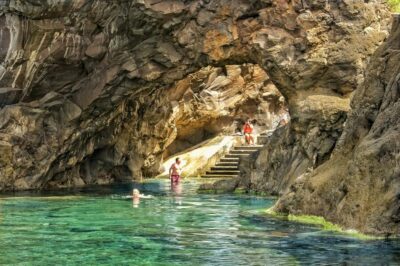
Madeira Open Water Diver in 3 days, what it really feels like
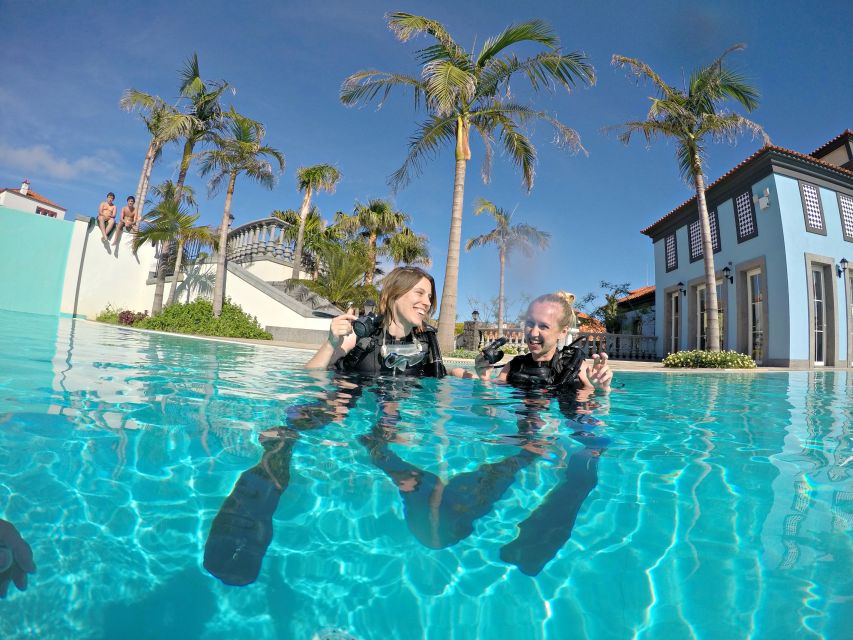
This is a classic “start scuba, earn the ticket” course, but Madeira gives it a practical, outdoorsy setting. You go from theory to controlled skills, then into the sea for your Open Water diver requirements.
What makes it worth your time is the pacing. You are not thrown into the ocean right away. The course is designed so you can build muscle memory first in the pool, then transfer those skills to open water.
Price and what you get for $495
At $495 per person for a 3-day course, the best way to judge value is by what is included, not just the headline cost.
You get:
- Theory lessons with a qualified instructor
- Swimming pool training sessions
- Four open-water sea sessions
- Complete scuba equipment
- Teaching materials
- Insurance provided by DiveAssure
- A worldwide-recognized Open Water diver certification, valid for buddy dives up to 18 meters / 60 feet
Food and drinks are not included, so you should budget for meals separately. But when you compare this to typical “pay for gear, pay for insurance, pay for lessons” setups, the bundled basics are the point.
Also, the group size is capped at 4 participants. That is part of the price logic too. Smaller groups tend to reduce waiting around and increase feedback time.
The course rhythm: e-learning, pool skills, then four sea sessions
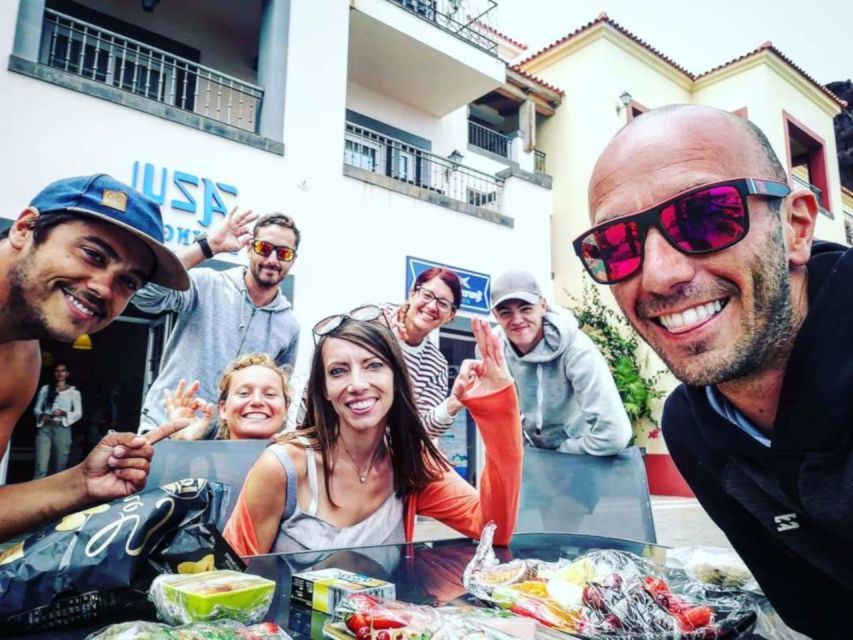
Your timeline has two layers: the course itself is 3 days, but the learning preparation can add time.
E-learning (optional timing, built-in flexibility)
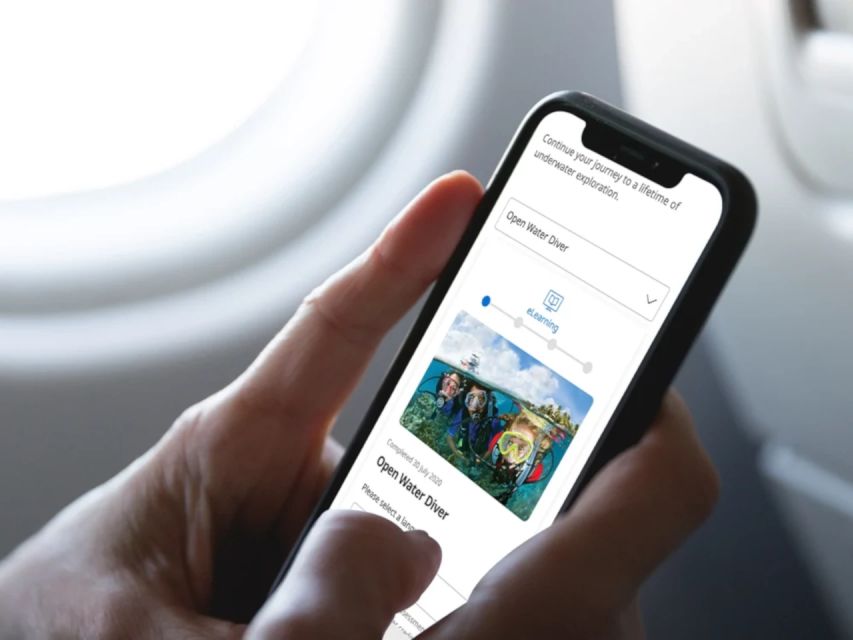
You get e-learning included, with a suggested commitment of 5 to 10 hours. You can study offline or online using a computer or mobile device, and you can connect with your instructor if questions pop up.
If you have a busy travel schedule, this is a big deal. You can get the terminology and basic principles done before the instructor ever hands you a mask and regulator.
- From Funchal: Ecological Catamaran Dolphin Whale Watching★ 4.5 · 5,771 reviews
- Madeira: Skywalk, Porto Moniz, Seixal, and Fanal 4WD Tour★ 4.9 · 5,732 reviews
- Funchal: Dolphin and Whale Watching Catamaran Cruise★ 4.5 · 5,697 reviews
- Funchal: Enchanted Terraces, Porto do Moniz & Fanal 4WD Tour★ 4.8 · 4,930 reviews
- From Funchal: Best of Madeira’s West Tour★ 4.7 · 3,463 reviews
Pool training (comfort comes first)
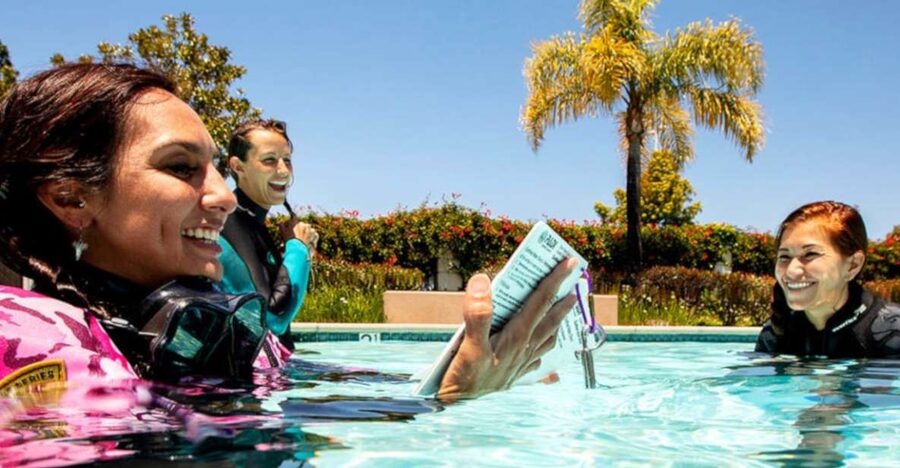
In the pool, you learn scuba gear use and basic scuba skills with a highly trained instructor. The course includes practice mini sessions to help you build confidence before the sea part.
This pool step matters more than people expect. Your body has to get used to breathing under pressure, managing gear, and staying calm while doing tasks. Doing that in a controlled environment gives you fewer surprises later.
Four open-water sea sessions (with instructor support)
When you are ready, you do four sea sessions in an open-water environment. Your instructor is supporting you every step of the way, and the expected depth range is shallow.
The course states:
- Expect shallow training around 12 meters / 40 feet
- The maximum allowed depth is 18 meters / 60 feet
Day-by-day flow, without the guesswork
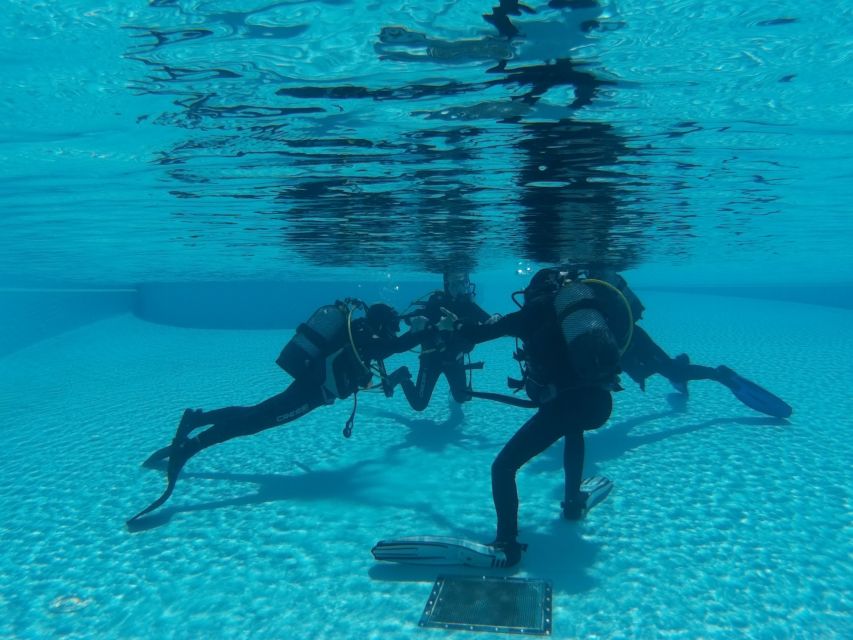
You do not need a fancy itinerary to understand how the 3 days work. The course structure tells you what happens.
Day 1 typically focuses on getting your basics together and starting skills practice in the pool. This is where you learn terminology, understand scuba principles, and begin gear handling.
Day 2 is usually where you build repeatable comfort. You keep practicing pool skills, using those mini sessions to increase confidence and reduce the chance that open water feels like a shock.
Day 3 is when you move fully into the open-water requirements. You complete your four sea sessions with guidance throughout, within the stated depth limits.
Pool practice, the part beginners should not rush
The pool sessions are not just “warm-up time.” They are where the course tries to turn knowledge into coordination.
You will practice:
- Using scuba gear until you can handle it smoothly
- Basic skills while staying comfortable and focused
- The kind of small tasks that keep you safe and in control
If you tend to get anxious in new gear or you freeze when something feels unfamiliar, the pool approach is your friend. The goal is not bravery. The goal is competence with feedback.
Sea sessions around Madeira: what you should expect from the training
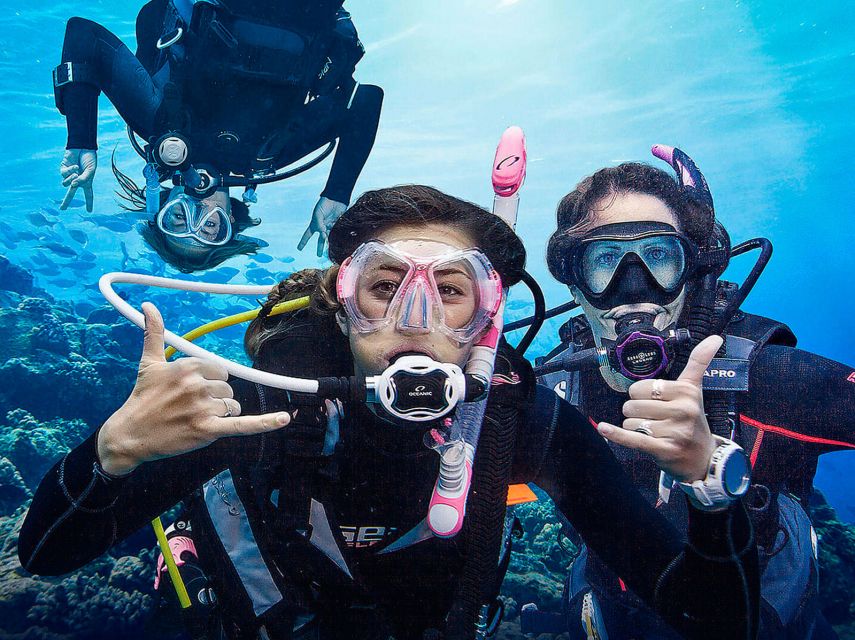
Once you are out in the sea, you are still not on your own. The course is explicitly designed so your instructor supports you step by step.
The training stays within shallow limits:
- Expect around 12 meters / 40 feet
- Maximum allowed depth is 18 meters / 60 feet
That depth limit is important for expectations. This course is for getting your Open Water diver certification, not for advanced deep training. If you want something more intense later, you can build from here, but the first step is about safe fundamentals in open water.
Certification and what your ticket allows after the course
You leave with a worldwide-recognized Open Water diver certification. The course also includes scuba diving insurance through DiveAssure.
The certification lets you take part in dives with a scuba buddy up to 18 meters / 60 feet around the world. Translation: your certificate is useful right away, as long as you use a buddy and stay within that depth limit.
If you are planning future trips, this matters. You are not just paying for a one-off experience. You are investing in a credential that you can use globally.
Instructor support, group size, and language choices
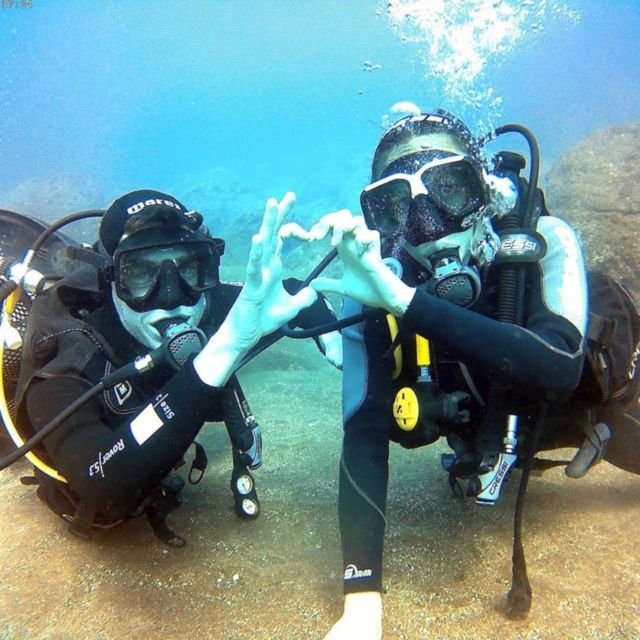
One of the most praised parts of this course is how instructors handle beginners. The course is built around teaching fundamentals, and you can expect a patient, supportive approach.
In plain terms, the good sign here is time for questions. A first certification is full of small “wait, what if” moments, and you need an instructor who takes those seriously instead of rushing you.
Your instructor can teach in several languages: English, French, Spanish, Portuguese, and Italian. If you are not fluent in English, that is a real quality-of-life upgrade.
And because the course is limited to 4 participants, you should get more direct attention than you would in larger classes. Smaller groups also make the pace more manageable.
Who this Open Water diver course is for
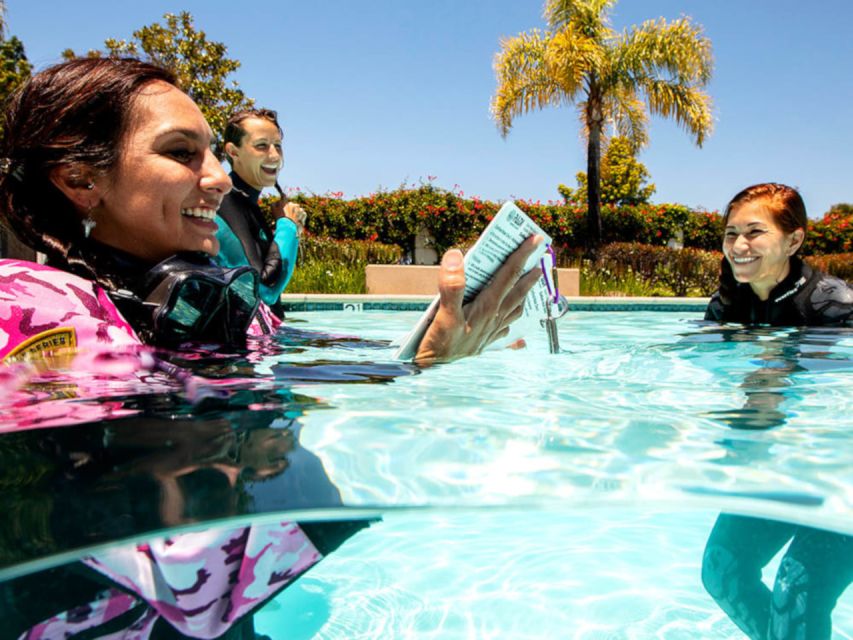
This course is aimed at people who want to become a scuba diver with real instruction and real structure.
You need:
- Ability to swim
- Medical fitness for diving
Minimum age is 12 years or older.
It is not suitable for:
- Pregnant women
- People with mobility impairments
- People with claustrophobia
- People with heart problems
- People with respiratory issues
- People with epilepsy
- People with high blood pressure
- People with recent surgeries
- People with low level of fitness
If you are on the fence, treat the medical suitability list as non-negotiable. This is safety-first training, not a try-it-for-fun experiment.
What to bring, plus quick practical prep tips
The course keeps the packing list simple.
What to bring:
- Swimwear
That is it for the provided list. You will get the complete scuba equipment as part of the course.
My practical advice is to prepare your body and mindset instead of your suitcase. If you can swim comfortably and you are not fighting panic in confined spaces, you will feel the course is easier to manage.
If you have claustrophobia or any respiratory or heart concerns, you should not try to force it. The course explicitly lists those as not suitable.
The small “think ahead” items that help a lot
These are not dramatic, but they can prevent stress.
- The e-learning has 5 to 10 hours of time, so plan for it if you want to arrive ready.
- The course expects shallow depths with a maximum of 18 meters / 60 feet, so do not plan on it feeling like a deep-water adventure.
- You should expect that food is on you. Build meal time into your travel day plan.
Also note the payment structure. For scuba courses, 100% pre-payment is required. If you choose to receive the Digital Kit before the course starts, it is not refundable.
Should you book this Madeira Open Water course?
Book it if you want a structured path to the Open Water diver certification, with e-learning included, pool practice first, and instructor support during four sea sessions. The small group limit of 4 participants is a big quality marker for a beginner course.
Skip it if you are not comfortable with the medical and suitability requirements listed in the course notes, especially claustrophobia or any serious heart, respiratory, or seizure-related concerns. And if you hate studying, you might find the e-learning time commitment a hassle, even though it is flexible.
If you want a first scuba step that prioritizes safety, skill building, and a real certification afterward, this Madeira course is a solid match.
FAQ
How long is the Open Water diver first certification course in Madeira?
The course duration is 3 days, with starting times depending on availability.
Is e-learning included, and how much time does it take?
Yes. E-learning is included, with a time commitment of 5 to 10 hours. You can study offline or online and connect with your instructor with questions.
What depths should I expect?
You should expect shallow dives around 12 meters / 40 feet, with the maximum allowed depth of 18 meters / 60 feet.
What is included in the course price?
Included items are theory lessons, pool training sessions, 4 sea sessions, complete scuba equipment, teaching materials, and scuba diving insurance provided by DiveAssure, plus the Open Water diver certification.
What is not included?
Food and drinks are not included.
What do I need to bring?
You only need to bring swimwear. The scuba equipment is included.
Who is this course not suitable for?
It is not suitable for pregnant women, people with mobility impairments, claustrophobia, heart problems, respiratory issues, epilepsy, high blood pressure, recent surgeries, or a low level of fitness.
More Tour Reviews in Madeira
- From Funchal: Ecological Catamaran Dolphin Whale Watching★ 4.5 · 5,771 reviews
- Madeira: Skywalk, Porto Moniz, Seixal, and Fanal 4WD Tour★ 4.9 · 5,732 reviews
- Funchal: Dolphin and Whale Watching Catamaran Cruise★ 4.5 · 5,697 reviews
- Funchal: Enchanted Terraces, Porto do Moniz & Fanal 4WD Tour★ 4.8 · 4,930 reviews
- From Funchal: Best of Madeira’s West Tour★ 4.7 · 3,463 reviews
Newest additions from around Madeira
- Private Tuk Tuk Tour on Câmara de Lobos, Fishing Village
★ 5.0 · 3 reviews - Basic Tour 1 – Shuttle (Quinta do Lorde to Cais do Sardinha) (one way)
★ 4.5 · 3 reviews - Sunset Tour @ Pico Do Areiro | Half Day 4×4 Tour
★ 4.7 · 3 reviews - Rabaçal: Lagoa do Vento, Levada Risco and Levada 25 Fontes
★ 3.4 · 3 reviews - Madeira all day jeep nature tours.
★ 3.7 · 3 reviews - Levada do Alecrim – Rosemary Levada (Full Day Walk)
★ 4.5 · 3 reviews - 5 Hours Private Tour to Santana, Thatched houses
★ 5.0 · 3 reviews - Madeira West Coast E-Bike Tour
★ 5.0 · 3 reviews