
Reviewed · WORKSHOPS
Hands-On Bolo do Caco Baking Class with a Madeiran Family
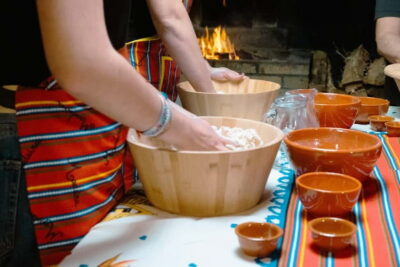
Few foods feel this personal in Madeira. This hands-on Bolo do Caco baking class happens inside a family home, led by Tonia and her aunt, where you knead dough and bake it the traditional way. I especially liked the small-group feel (max 5 people) and the real sense of family stories in the kitchen. One thing to consider: it is hands-on, so wear clothes you do not mind getting floury.
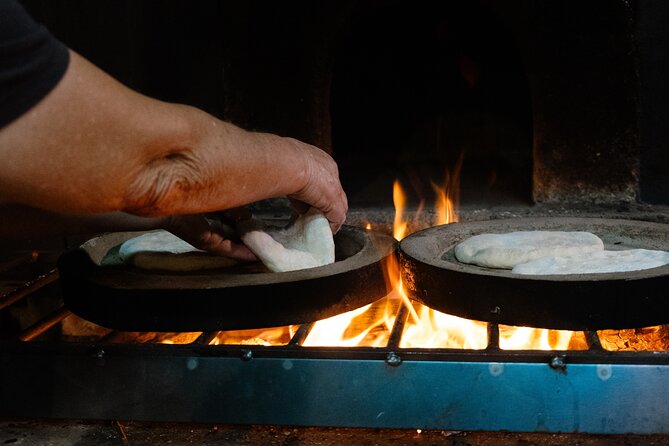
You start with the meaning of this iconic bread on the island, then you go right to working the dough with your own hands. The bread bakes on a hot stone, and the kitchen warmth plus the smell of fresh bread turns the lesson into a meal you actually want to keep eating.
The class ends with a table full of Madeiran pairings, including garlic butter, Portuguese cheese, and chouriço, and you get a calm view of the mountains while you enjoy it. If you are short on time or want a quick photo stop, this is not that kind of tour, but if you like food done properly, it is hard to beat.
Key highlights to know before you go
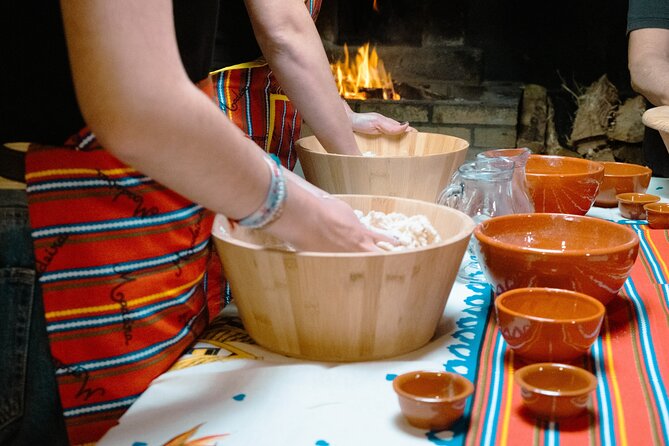
- Family-run instruction from Tonia and her aunt, plus the feel of a friend visit rather than a transaction
- Hands-on dough work, including kneading and shaping by hand
- Hot-stone baking, the traditional method that helps explain why bolo do caco matters
- Madeiran tasting table with garlic butter, Portuguese cheese, and chouriço
- Small group size with a maximum of 5 people, so you get real attention
- All-ages welcome, including kids and service animals, with space to play
Still weighing up the day? These Madeira trips come up again and again.


A family kitchen lesson in what makes Bolo do Caco special
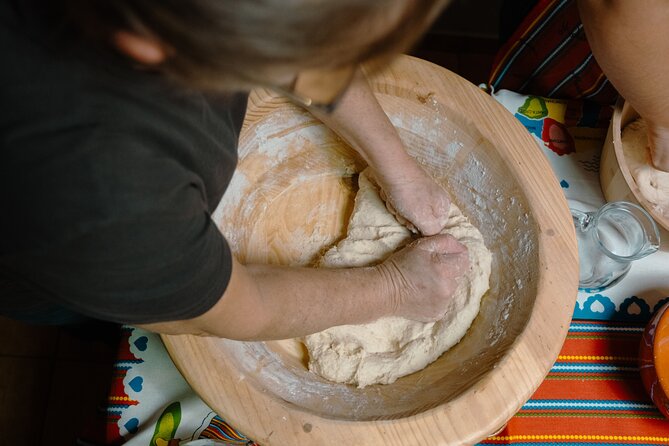
Madeira has plenty of food you can buy and eat on the street, but Bolo do Caco is different. It is a bread you learn through your hands, not just your taste buds. This class is designed to do exactly that, and it is why it feels memorable even after the bread is gone.
In the experience, you are invited to visit a family home and learn the craft of making Bolo do Caco, Madeira’s most traditional bread. That phrasing matters. This is not a cooking demo where you watch from a distance. You roll up your sleeves, knead dough, shape it by hand, and learn how the bread changes as it bakes.
I also like that the lesson starts with context. You hear about the history and cultural significance of bolo do caco before you start working the dough. That means you are not just memorizing steps, you understand why people on the island care about this bread in the first place.
One more practical win: the tour runs for about 3 hours, so you get a full flow without feeling rushed. You will leave knowing what to do, not just what to photograph.
Entering the rhythm of a 3-hour class in English
This is a small, friendly class offered in English, which makes a big difference for learning real technique. When you can understand the explanation clearly, you copy better, and you catch the little cues that make dough behave.
You meet at Travessa do Lombo do Alho, 9360, Portugal, and the activity ends back at the same meeting point. That simple start and finish matters on an island like Madeira, where hopping between areas can eat up your time.
Inside, the atmosphere stays relaxed. You are surrounded by the sounds of a working kitchen and the easy back-and-forth of a family teaching people how they actually cook. From the tone of the experience, it is clear that Tonia and her aunt treat you like a friend. That is also why people keep mentioning how kind and accommodating the hosts are.
History and culture, explained while you work
Before your hands get floury, you learn the story behind bolo do caco. You hear about how it fits into Madeiran life, what makes it iconic, and why it is still made in family kitchens.
This is the part I value most when I take cooking classes abroad. Food is not just a recipe. It is a way people pass knowledge down. When you understand the bread’s role, the technique makes more sense. You are not doing random steps. You are learning something that locals recognize as part of their identity.
The good news is the teaching pace feels human. You get time for questions, and the kitchen stays warm in more ways than one. The whole lesson includes laughter and stories, so the culture piece does not feel like a lecture.
Hands-on dough work: kneading and shaping like a local
Once the background is in place, the real work starts. You knead the dough, then shape the loaves by hand. Kneading is not glamorous, but it is the foundation for texture. When you do it yourself, you understand why the bread comes out tender in the ways that make bolo do caco so satisfying.
Shaping by hand also teaches you how the bread is meant to look. You can tell when the dough is handled right. It becomes smoother and more cooperative as you work. The instructions from Tonia and her aunt help you avoid common dough mistakes, like rushing the texture or over-handling the dough in a way that makes it tough.
Because the class is limited to a maximum of 5 people, you are not left waiting for attention. In larger groups, you often end up catching up at the last minute. Here, you have time to get corrected and time to learn without stress.
A few more Madeira trips people book alongside this one
- Madeira: Surf Lessons for All Levels★ 4.8 · 191 reviews
- Surfing Lessons in Madeira★ 5.0 · 168 reviews
- Madeira Surfing Lessons – Aroundfreedom Surf School★ 5.0 · 104 reviews
- Madeira: surf lesson at Porto da Cruz★ 4.8 · 67 reviews
- Surf lesson in Madeira★ 4.8 · 55 reviews
What to wear so you stay comfortable
Wear comfortable clothes. Expect to be hands-on. If you have sensitive skin or dislike getting flour on your hands, consider wearing something you can wash easily. This is a kitchen activity, not a formal class where you stay pristine.
Also, plan for warmth. Baking and cooking areas can get hot, especially when you are close to the stone and working the dough yourself.
The hot-stone bake, and why this method matters
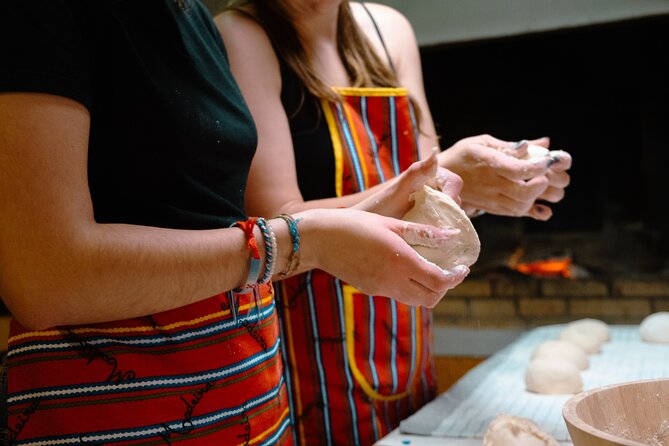
The bread cooks on a hot stone, and that is one of the most distinctive parts of the experience. You are not just watching heat happen. You are learning how this method changes the bread.
Hot-stone baking is all about direct heat and quick surface contact. That means the bread develops the right cooking signals fast, and the crust or exterior quality is part of the payoff. When you finally see the bread come out ready, you understand the practical reason behind the traditional method.
The stone stage also makes the waiting feel worth it. The kitchen fills with that unmistakable aroma of baking bread, and the atmosphere stays lively while you get ready for the tasting table. Even if you are not a bread person, you will probably find yourself standing a little closer to the action.
The tasting table: garlic butter, Portuguese cheese, chouriço
After baking, you sit down and eat. This is not a tiny sample. The tasting includes garlic butter, Portuguese cheese, and chouriço, all classic choices that fit the bread perfectly.
If you are trying to understand Madeira food, this pairing matters. It shows how local people use bread as the base for flavor and comfort. The garlic butter adds richness and warmth, the cheese brings saltiness and depth, and the chouriço gives that satisfying smoky, savory edge.
And because the meal is served right after the baking, the bread is at its best. You are tasting what you worked for. That is the kind of payback that makes lessons like this stick in your memory.
There is also a calmer bonus: the backdrop includes mountain views. You can enjoy the meal in a way that feels grounded and peaceful, not like you are rushed through a tasting like a stop on a schedule.
Small-group format and family-home comfort
A maximum of 5 travelers means you get more than instruction. You get a chance to connect. When there are only a few people, Tonia and her aunt can slow down when someone needs clarification.
This format also helps the kids factor. Kids and babies are welcome, and the information says there is space for them to play without disruption. That makes the experience more flexible for families than many food tours that feel overly strict.
Service animals are allowed too, which is a good practical detail if you travel with an assistance animal. And since the meeting point is at a specific address and the class finishes back there, you are not dealing with long transfers.
Who this experience suits best
This class is a great match if you want:
- A hands-on food activity in Madeira, not just eating out
- A small-group experience where you can ask questions
- Authentic family-style teaching, with real local warmth
- A bite-size way to learn a tradition deeply connected to the island
It is also a solid option for people who enjoy practical cooking skills. Even if you never bake again at home, you will leave with a feel for dough and the hot-stone process.
Where to meet and how to plan your timing
You start at Travessa do Lombo do Alho, 9360, Portugal, and you return there at the end. Since the tour runs about 3 hours, I suggest planning something light after. You will likely feel satisfied, a little floury, and ready to relax.
Bring comfortable clothes, and give yourself enough time to arrive calmly. In a family home setting, you want to avoid showing up breathless or rushed.
One more tip: if you are sensitive to smoke or strong food aromas, be aware the kitchen smell will be part of the whole experience. That is normal for bread baking, and it is part of why the class feels so real.
Value and why people rate it so highly
There is no official price listed here, so I cannot tell you a number. But I can talk about value in the ways that matter in real life.
You are paying for:
- A hands-on cooking session, not just observation
- A traditional hot-stone bread method
- A meal that includes multiple Madeiran specialties
- Personal attention in a very small group
- Time spent learning culture through a real family teaching it
A 5-star rating with a 100 percent recommendation rate from 25 reviews also tells you something important. This is not a one-off nice moment. The hosts seem to deliver the experience consistently, with Tonia and her aunt repeatedly praised for kindness and accommodating teaching.
In other words, you are buying time, technique, and a full taste of Madeira, not just a snack.
Should you book this Bolo do Caco class?
I think you should book it if you want an authentic Madeiran food experience that is hands-on, small-group, and genuinely warm. If you like learning how food is made, not just eating it, this is one of the best ways to spend a half-day style chunk of time in Madeira.
Skip it only if you want a quick tour, minimal mess, or you strongly dislike working with dough. Also, if you are the kind of person who needs very structured, impersonal service, the family-home style might feel too casual.
If your goal is to eat well and understand what you are eating, this class is an easy yes.
FAQ
How long is the Bolo do Caco baking class?
It runs for about 3 hours.
Is the class offered in English?
Yes, it is offered in English.
How many people are in the group?
The class has a maximum of 5 travelers.
Where do we meet, and does it end nearby?
You meet at Travessa do Lombo do Alho, 9360, Portugal, and the activity ends back at the same meeting point.
What should I wear?
Wear comfortable clothes. You will be hands-on during the baking process.
Are kids, babies, and service animals allowed?
Yes. Kids and babies are welcome, with space for them to play without disruption. Service animals are allowed.
What is the cancellation policy for a full refund?
You can cancel for a full refund up to 24 hours before the experience starts. If you cancel less than 24 hours before, the amount paid is not refunded.
Making Things in Madeira
- Funchal: Madeira Island Group Surf Lesson★ 4.7 · 282 reviews
- Madeira: Surf Lessons for All Levels★ 4.8 · 191 reviews
- Surfing Lessons in Madeira★ 5.0 · 168 reviews
- Madeira Surfing Lessons – Aroundfreedom Surf School★ 5.0 · 104 reviews
- Madeira: surf lesson at Porto da Cruz★ 4.8 · 67 reviews
More Tour Reviews in Madeira
- From Funchal: Ecological Catamaran Dolphin Whale Watching★ 4.5 · 5,771 reviews
- Madeira: Skywalk, Porto Moniz, Seixal, and Fanal 4WD Tour★ 4.9 · 5,732 reviews
- Funchal: Dolphin and Whale Watching Catamaran Cruise★ 4.5 · 5,697 reviews
- Funchal: Enchanted Terraces, Porto do Moniz & Fanal 4WD Tour★ 4.8 · 4,930 reviews
- From Funchal: Best of Madeira’s West Tour★ 4.7 · 3,463 reviews
Newest additions from around Madeira
- Private Tuk Tuk Tour on Câmara de Lobos, Fishing Village
★ 5.0 · 3 reviews - Basic Tour 1 – Shuttle (Quinta do Lorde to Cais do Sardinha) (one way)
★ 4.5 · 3 reviews - Sunset Tour @ Pico Do Areiro | Half Day 4×4 Tour
★ 4.7 · 3 reviews - Rabaçal: Lagoa do Vento, Levada Risco and Levada 25 Fontes
★ 3.4 · 3 reviews - Madeira all day jeep nature tours.
★ 3.7 · 3 reviews - Levada do Alecrim – Rosemary Levada (Full Day Walk)
★ 4.5 · 3 reviews - 5 Hours Private Tour to Santana, Thatched houses
★ 5.0 · 3 reviews - Madeira West Coast E-Bike Tour
★ 5.0 · 3 reviews
Workshops, compared.
 ★ 4.7Madeira Island Group Surf LessonFrom $100282 reviews
 ★ 4.8Surf Lessons for All LevelsFrom $82191 reviews
 ★ 5.0Surfing Lessons in Madeira168 reviews
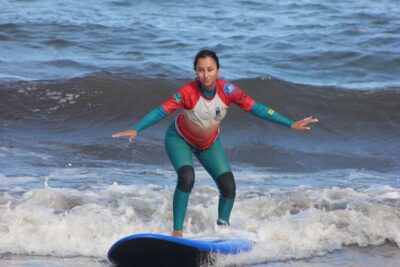 ★ 5.0Madeira Surfing Lessons – Aroundfreedom Surf SchoolFrom $72104 reviews
 ★ 4.8surf lesson at Porto da CruzFrom $7667 reviews
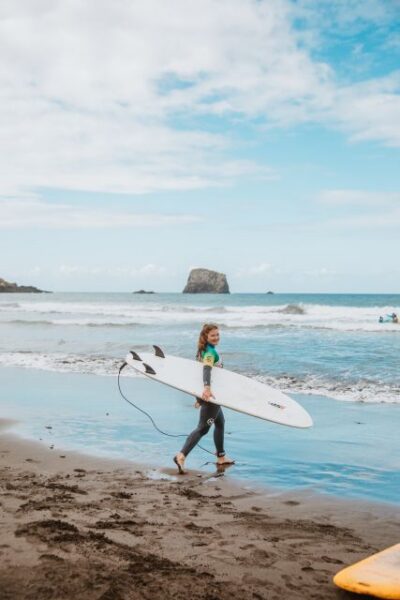 ★ 4.8Surf lesson in MadeiraFrom $8855 reviews
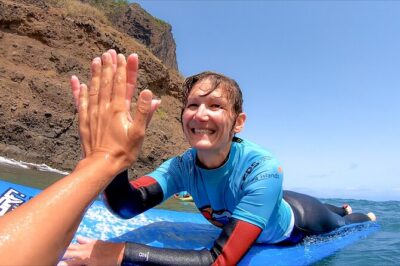 ★ 5.0Madeira Surf Classes in PortugalFrom $8425 reviews
 ★ 4.9Bolo do Caco Workshop with a Local FamilyFrom $4915 reviews
Browse the lists this tour appears in