
Reviewed · WORKSHOPS
Madeira: Bolo do Caco Workshop with a Local Family
Fresh bread still smells like home days later. This small-group class in Madeira teaches you how bolo do caco is made the old way, right in a family kitchen.
I especially loved the hands-on part, from kneading dough by hand to cooking it on a hot stone, and then eating it while the kitchen is still warm with that fresh-bread smell.
One thing to consider, it is a working kitchen visit. You will get flour on your clothes and you should wear comfortable stuff you do not mind getting doughy.
What makes this feel different is the setting. You are not led through a showroom, you are welcomed like a friend into House 22 at Casa da Nati, where the baker and family share stories as they teach.
The only real drawback is that with a limit of 4 people, spots can go fast, and it can feel more personal than people expecting a formal tour.
Key points to know before you go
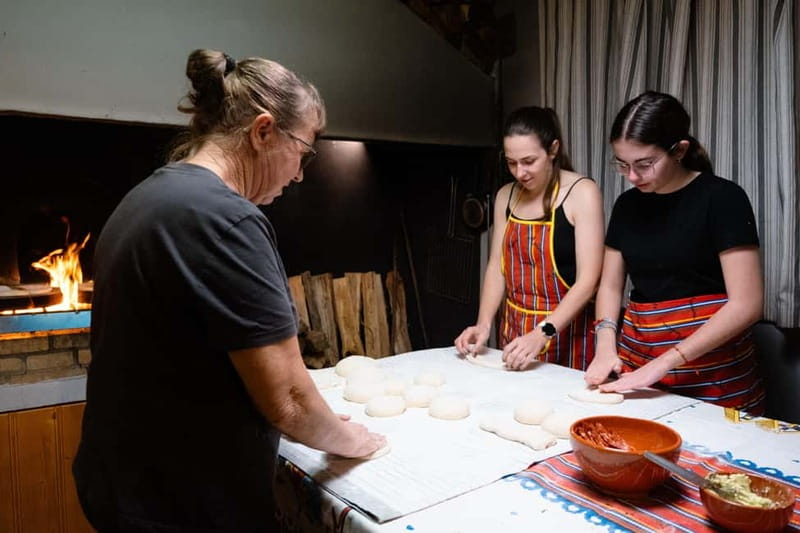
- Family-home setting at Casa da Nati at House 22, last house on the street, meet in the garden
- Wood-fired oven and hot stone cooking, with real traditional methods
- 40+ years of bread-making experience guiding you through dough to table
- Small group capped at 4 for questions, conversation, and a relaxed pace
- Included feast with garlic butter, Portuguese cheese, chouriço, drinks, and fruit picked from their garden
House 22 at Casa da Nati, the moment the class feels personal
This starts in a real neighborhood, not a big meeting plaza. Your meet point is House number 22, the last house on the street. You step into the garden, go to the back of the house, then call out Hello, is anyone home. The whole point is that you will be greeted like you are expected.
Once you are inside, you get that calm, lived-in feeling. It is a family home, and the vibe is friend first, customer second. You will likely notice that the kitchen runs like a kitchen, not a performance space. That matters because it changes what you learn. You are not just being shown steps, you are doing them in the rhythm of how bread is actually made.
Your group is small, limited to 4 participants, so you will not spend the afternoon waiting your turn. You can ask questions as they come up, from the process to local bread culture. And if you bring kids, this is also designed to be workable. There is space for babies and kids to play without disrupting the class.
From dough to story: learning bolo do caco with a 40+ year baker
Before your hands start moving, you get the context. You are taught about the history and cultural significance of bolo do caco, Madeira Island’s most traditional bread. That short grounding is more useful than it sounds. When you understand why a bread matters on an island, the steps stop feeling random and start feeling meaningful.
Then comes the guide, a mother in the family with over 40 years of bread-making expertise. She leads the class through the method, and the teaching style is simple and practical. You do not need baking experience. The emphasis is on getting you comfortable with the dough and learning what to watch for as you handle it.
Language options are also practical. The instructor speaks Portuguese, English, and Spanish, which helps you feel included without forcing you to “figure it out.” If you want a class where your questions get answered in plain language, this is the right format.
Kneading and shaping by hand, cooking on a hot stone
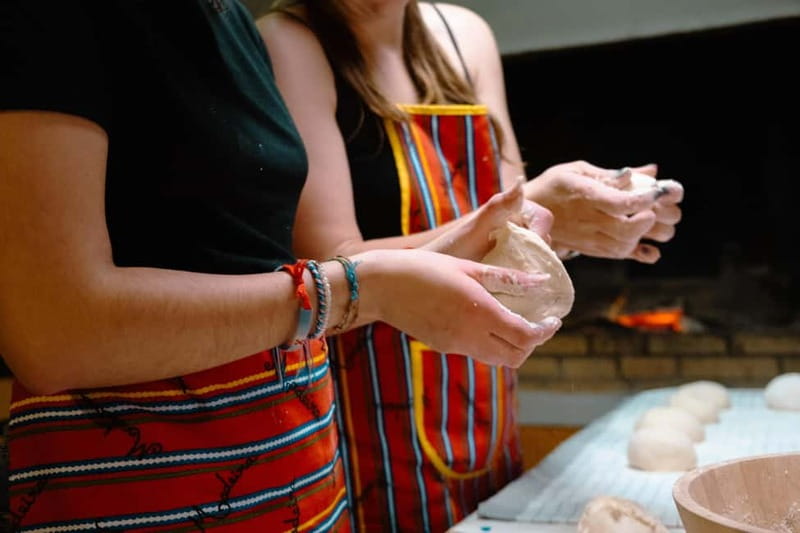
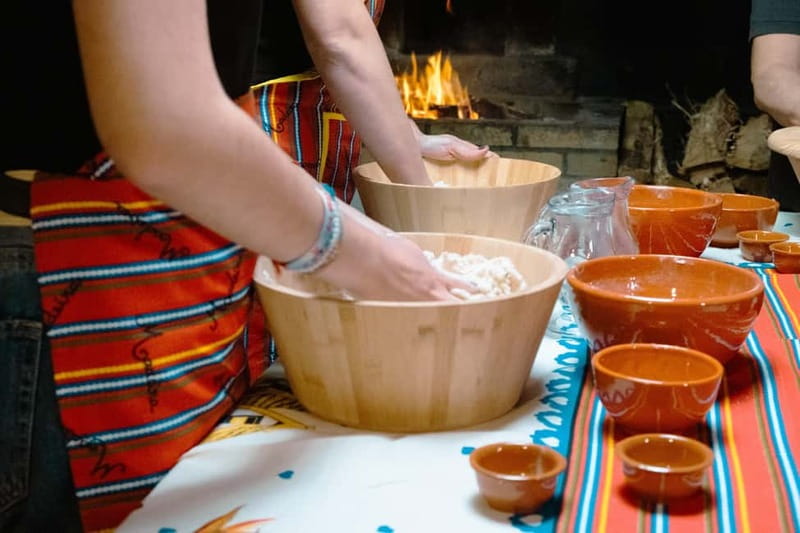
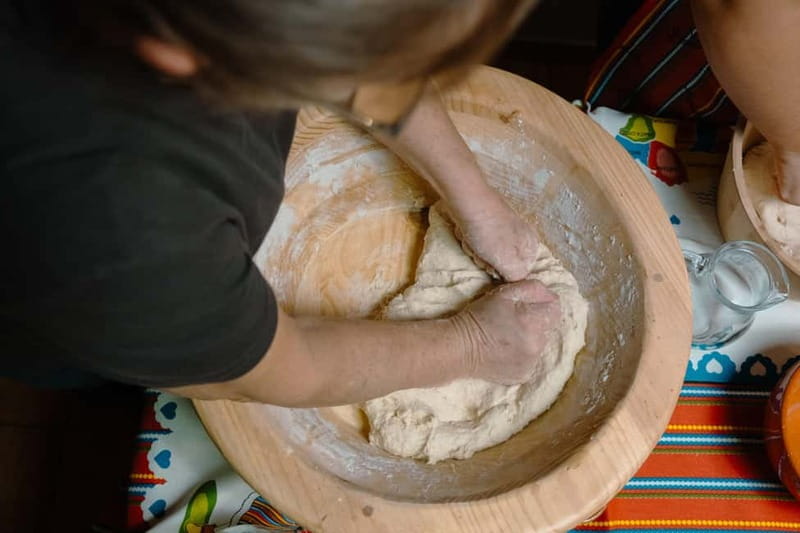
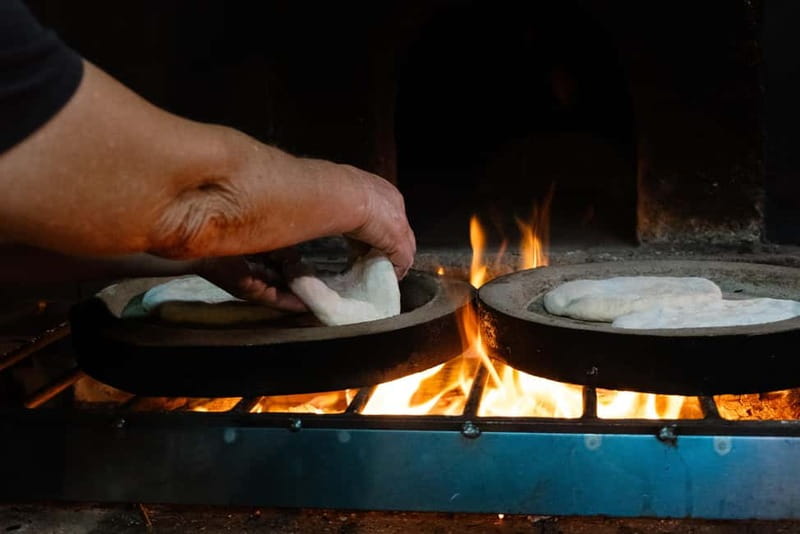
Now the part you will remember: working the dough. You roll up your sleeves and knead, then shape it by hand. It is one thing to watch someone bake. It is another to feel how the dough responds under your hands, and to learn what “right” feels like before it hits the oven.
The heat source is a key detail. The bread cooks in a traditional wood-fired oven and, more specifically, on a hot stone. That combination is the backbone of the texture you get. Stone heat helps set the crust as the bread cooks, and wood-fired ovens tend to keep temperatures lively and uneven in the way real baking should be.
Expect an active afternoon. You will want comfortable clothes, and you should plan for flour dust and possible dough contact. This is not a sit-and-snack class. It is closer to being part of the day’s bread work, with a lot of guidance.
Timing is also worth noting. The class runs about 3 hours. That is long enough for real skill practice, but not so long that you lose the plot. At the end, you are ready to eat, not just to take photos.
The table moment: garlic butter, Portuguese cheese, chouriço, plus garden fruit
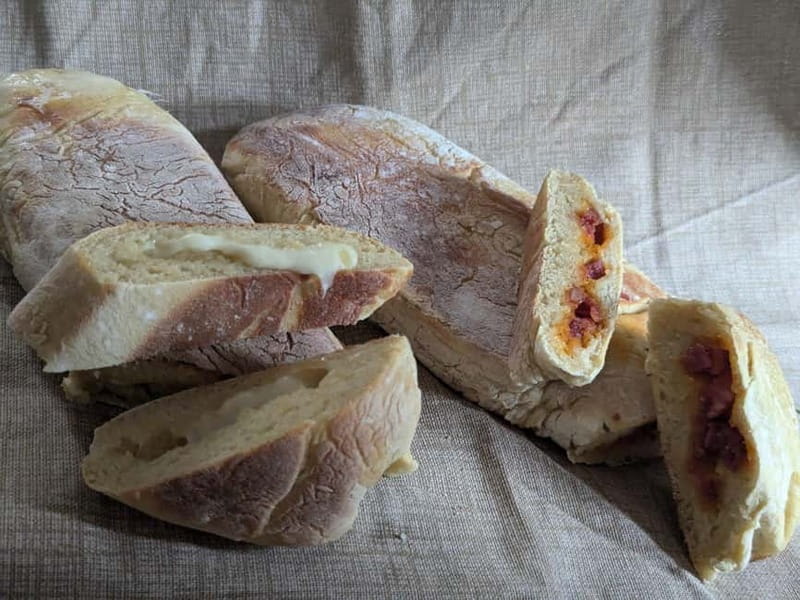
Once the bread is ready, you switch modes from baker to eater. You gather around the table to enjoy what you made, and the spread is very Madeira. You will pair your fresh bolo do caco with garlic butter, Portuguese cheese, and chouriço.
This part is more than a snack stop. It shows how the bread is meant to be used. Madeira bread often shows up at the table as part of a larger flavor routine, not as a plain side. The garlic butter adds punch, the cheese brings body, and the chouriço brings that smoky, salty kick that makes every bite feel like a full meal.
There are also drinks included. The exact types are not listed in the basic details, but you do get beverages with your meal, not just bread and water.
One detail I like for authenticity is the fruit. You get fresh fruit picked from the trees in their garden. It is a small thing, but it makes the whole experience feel rooted in the place you are visiting. If you come hungry and you want a class where you actually taste Madeira, this is built that way.
Also, ask about take-home portions if that matters to you. In one of the class experiences, people were able to take home the bread they made along with garlic butter, and they even mentioned tangerines from the garden. If you like the idea of packing your own Madeira food for hikes or day trips, this is the kind of class that can work well.
What small-group really buys you (hint, it is not just fewer people)
“Small group” can mean a lot of things. Here, it mainly means you get attention. With only 4 participants, you are not competing for the instructor’s time, and you can learn at your pace. If you struggle with kneading for a minute, you can reset without the class steamrolling ahead.
It also means you get to talk. The hosts share stories, and you end up chatting as you bake and eat. That “family” feeling is not just a marketing line. It shows up in the way the kitchen runs, the way questions get handled, and the way the meal is served, together at the table.
Another practical plus is that the class runs like a real home gathering, not a scripted bus tour. That is great if you like your travel moments to feel human. If you prefer highly structured experiences with strict timelines and formal guiding, you might find the casual tone less your style. But if you want something warm, this is it.
Price and value: is $49 fair for 3 hours and a full table?
At $49 per person for about 3 hours, this is not the cheapest thing in Madeira. But it is not just a “tasting.” You are paying for ingredients, utensils, expert guidance, and a meal built around what you bake. You also get drinks and fruit picked from their garden.
Value comes from three places. First, you learn a specific Madeira skill, the kind you can talk about later because you did it, not just observed it. Second, the oven and stone baking are part of what you experience, and that is the heart of the craft. Third, the food at the end is not empty calories. Garlic butter, Portuguese cheese, and chouriço turn your bread into a real spread you can actually enjoy.
For food lovers who want a local experience without spending a full day on a formal tour, this sits in a sweet spot. For budget travelers, the “real” comparison is not a snack. It is comparing this cost to buying ingredients and bread plus paying for a guide. Here, you get all of it together, in a setting you cannot replicate.
Who should book this, and who might skip it
This works best for you if you want a hands-on Madeira activity and you enjoy food culture. If you like cooking classes where you get to be active, not just watch, you will feel right at home in this kitchen.
It is also a strong choice for families. Kids and babies are welcome, and there is space for them to play without disrupting the class.
It may not be for you if you dislike messy activities. This is baking, so plan for flour, dough, and the need for comfortable clothes. It is also more intimate than many tours. If you want big-group energy or a high-volume sightseeing agenda, this is not that kind of outing.
If you are tight on time, remember it is 3 hours. It is long enough to feel like an event, but short enough to fit into a day that also includes viewpoints or a relaxed walk.
FAQ
FAQ
How long is the Bolo do Caco workshop?
It lasts about 3 hours.
What is the price per person?
The price is $49 per person.
How many people are in the group?
The group is small, limited to 4 participants.
What languages is the instructor able to speak?
The instructor can speak Portuguese, English, and Spanish.
What does the workshop include?
It includes all ingredients and utensils to bake bolo do caco, plus food and drinks to enjoy with the freshly baked bread. You also get fresh fruit picked from the garden.
Where do I meet for the experience?
Meet at House number 22, the last house on the street. Go into the garden, head to the back of the house, and call out Hello, is anyone home.
Is this hands-on or mostly watching?
It is hands-on. You will knead the dough and shape the bread by hand during the baking process.
What should I wear?
Wear comfortable clothes since you will be hands-on during the baking process.
Can kids and babies join?
Yes, kids and babies are welcome, and there is space for them to play without disrupting the class.
Is cancellation allowed?
Yes. You can cancel up to 24 hours in advance for a full refund.
Can I take the bread home?
One class experience included being able to take home the bread that was made, along with garlic butter.
Should you book Casa da Nati’s bolo do caco workshop?
If you want one Madeira food experience that feels real, not packaged, this is an easy yes. The combination of a wood-fired home kitchen, a 40+ year baker guiding you, and a sit-down meal with garlic butter, Portuguese cheese, and chouriço makes the $49 feel fair.
Book it especially if you like learning by doing and you want to leave with a memory that tastes like Madeira. If you hate mess, or you are looking for a big, sightseeing-heavy day, you might prefer something more hands-off. But if baking sounds fun, go. This is the kind of afternoon you will talk about long after you leave the island.
Workshops, compared.
 ★ 4.7Madeira Island Group Surf LessonFrom $100282 reviews
 ★ 4.8Surf Lessons for All LevelsFrom $82191 reviews
 ★ 5.0Surfing Lessons in Madeira168 reviews
 ★ 5.0Madeira Surfing Lessons – Aroundfreedom Surf SchoolFrom $72104 reviews
 ★ 4.8surf lesson at Porto da CruzFrom $7667 reviews
 ★ 4.8Surf lesson in MadeiraFrom $8855 reviews
 ★ 5.0Hands-On Bolo do Caco Baking Class with a Madeiran Family25 reviews
 ★ 5.0Madeira Surf Classes in PortugalFrom $8425 reviews
Browse the lists this tour appears in